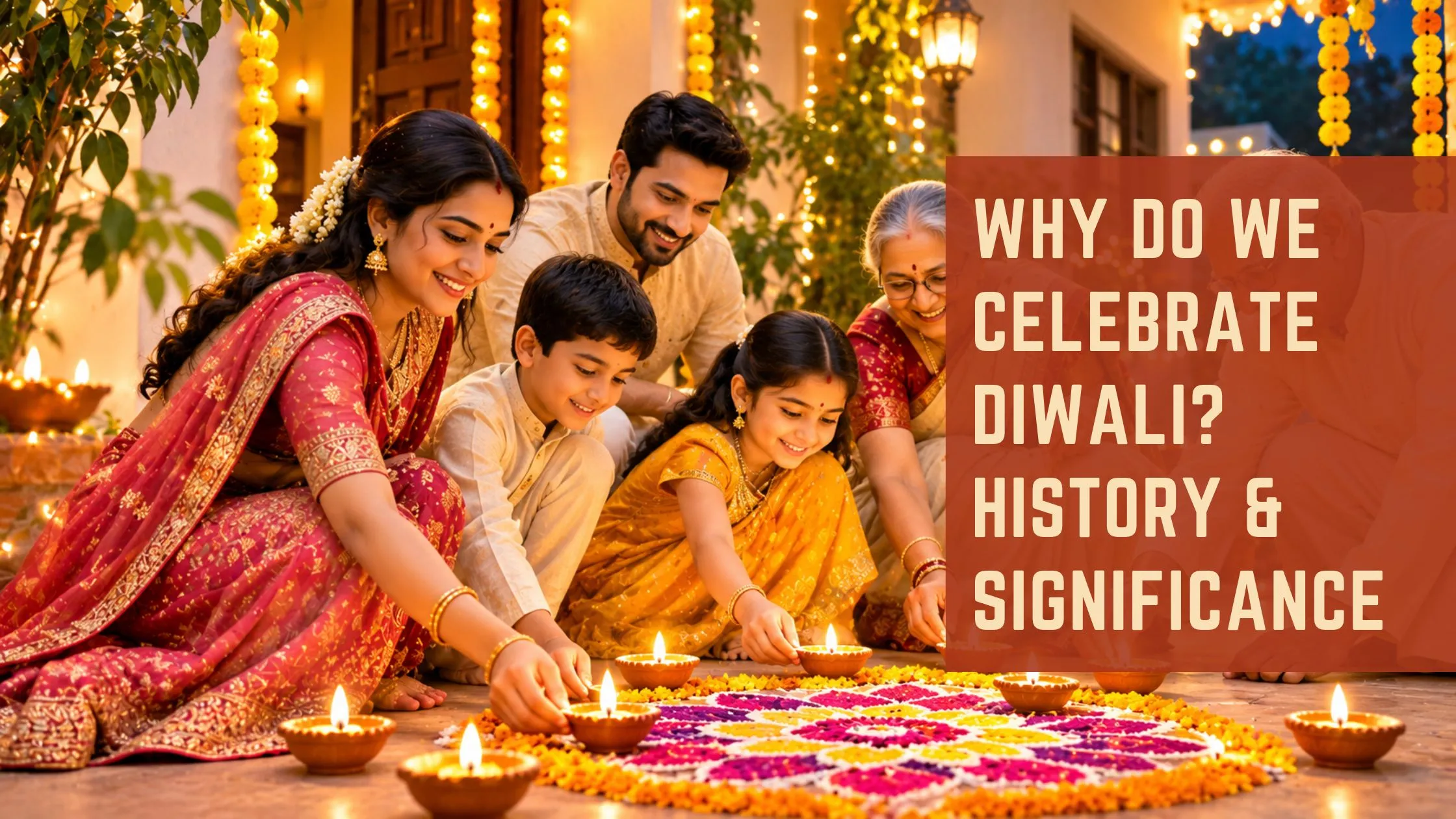
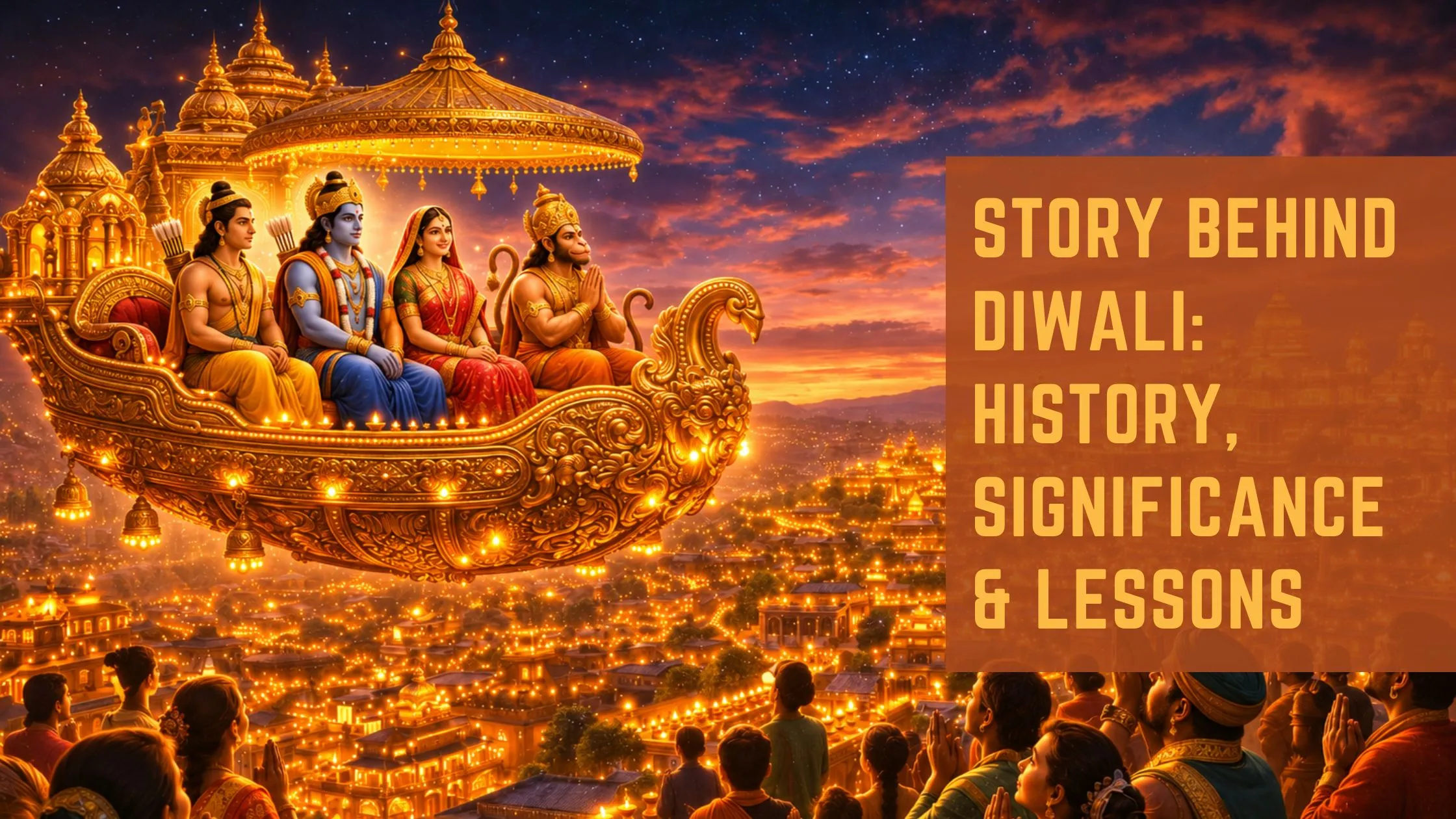
Imagine a kingdom waiting for its beloved king for fourteen long years. Homes are filled with anticipation, hearts are filled with devotion, and the streets are decorated with thousands of glowing lamps. When Lord Rama finally returns, the entire kingdom celebrates his arrival with extraordinary joy.
This beautiful moment is one of the most cherished stories behind Diwali, the festival of lights.
Celebrated with devotion and happiness across India and many parts of the world, Diwali represents the victory of good over evil, knowledge over ignorance, and light over darkness. But is the return of Lord Rama the only story associated with Diwali? What is its connection with Goddess Lakshmi, Lord Krishna, and Hindu traditions?
Let's explore the fascinating history, mythology, spiritual meaning, and timeless teachings behind this sacred festival.
Table of Contents
- Key Takeaways
- 1. The Story Behind Diwali: Lord Rama's Return to Ayodhya
- 2. Why Is Diwali Celebrated? The Spiritual Significance
- 3. Other Important Stories Associated with Diwali
- 4. The Five Days of Diwali and Their Significance
- 5. Why Do We Light Diyas on Diwali?
- 6. What Does the Bhagavad Gita Teach Us About Diwali?
- 7. Life Lessons We Can Learn from the Story of Diwali
- 8. How Is Diwali Celebrated Across India?
- 9. How Can We Celebrate Diwali in a Meaningful Way?
- Frequently Asked Questions
- Conclusion
Key Takeaways
Diwali celebrates the victory of righteousness over evil and light over darkness.
The return of Lord Rama, Goddess Sita, and Lakshmana to Ayodhya is one of the most popular stories associated with Diwali.
Goddess Lakshmi and Lord Ganesha are worshipped during the festival for prosperity, wisdom, and auspicious beginnings.
Diwali has different religious and cultural significance across Hindu traditions.
The festival teaches us compassion, truthfulness, gratitude, hope, and the importance of inner transformation.
1. The Story Behind Diwali: Lord Rama's Return to Ayodhya
The most widely known story behind Diwali comes from the ancient Hindu epic, the Ramayana.
Lord Rama's Exile of Fourteen Years
Lord Rama, the prince of Ayodhya and an incarnation of Lord Vishnu, was known for his honesty, kindness, courage, and devotion to dharma.
His life took an unexpected turn when Queen Kaikeyi asked King Dasharatha to fulfil two promises he had made to her. She demanded that her son Bharata become king and that Rama be sent into exile for fourteen years.
Although Rama was the rightful heir to the throne, he accepted his father's promise without anger or resistance.
His wife, Goddess Sita, and younger brother Lakshmana chose to accompany him into the forest.
The Abduction of Goddess Sita
During their exile, Ravana, the powerful king of Lanka, abducted Goddess Sita and took her to his kingdom.
Lord Rama, determined to rescue his wife, formed an alliance with Sugriva and received the devoted assistance of Hanuman and the Vanara army.
After an intense battle between Rama's forces and Ravana's army, Lord Rama defeated Ravana and rescued Sita.
This victory symbolised the triumph of righteousness over arrogance, greed, and evil.
The Return of Lord Rama to Ayodhya
After completing fourteen years of exile, Lord Rama, Goddess Sita, and Lakshmana returned to Ayodhya.
The people of Ayodhya were overjoyed to welcome their beloved prince. According to the popular traditional account, they decorated their homes, illuminated the streets with rows of earthen lamps, and celebrated his return.
The entire kingdom was filled with happiness, devotion, and light.
This joyous homecoming is traditionally remembered as one of the central reasons for celebrating Diwali.
The deeper message: Just as the people of Ayodhya welcomed Rama with light, we can welcome truth, goodness, and positivity into our own lives.
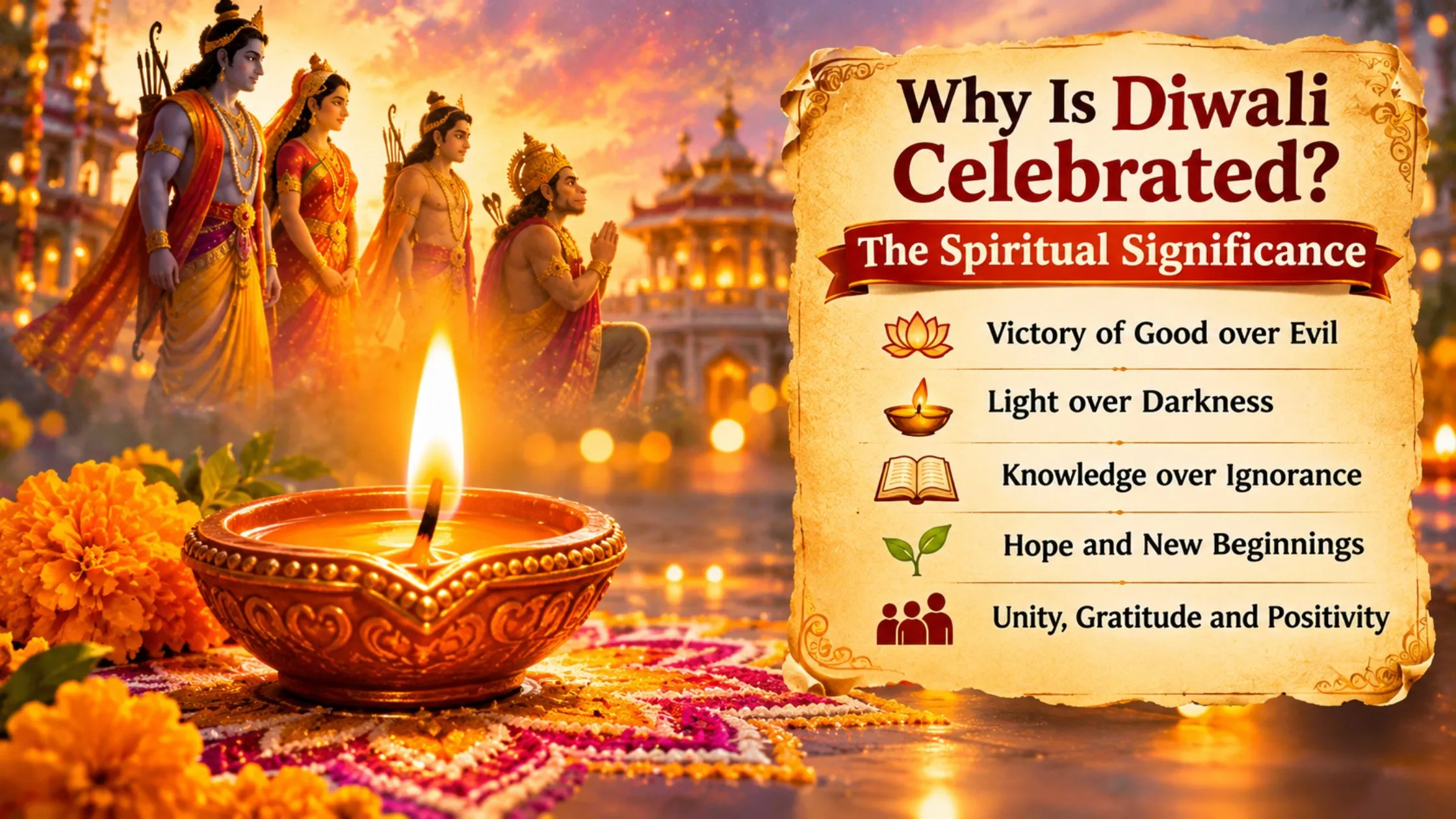
2. Why Is Diwali Celebrated? The Spiritual Significance
Diwali is more than a festival of decorations, sweets, and celebrations. It carries a deeper spiritual message.
Victory of Good Over Evil
The defeat of Ravana represents the victory of dharma over adharma. It reminds us that arrogance, ego, and injustice cannot ultimately overcome truth and righteousness.
Light Over Darkness
Lighting diyas represents the removal of darkness from our surroundings and ignorance from our minds.
A diya may be small, but its light can illuminate an entire room. Similarly, even a small act of kindness can bring happiness into someone's life.
Knowledge Over Ignorance
Diwali encourages us to seek wisdom, understand our responsibilities, and make thoughtful decisions.
The festival reminds us that true transformation begins when we replace negative thoughts with understanding and awareness.
Hope and New Beginnings
Diwali is also associated with fresh beginnings, forgiveness, family togetherness, and renewed spiritual commitment.
It encourages us to leave behind negativity and move towards a more meaningful life.
3. Other Important Stories Associated with Diwali
Although Lord Rama's return is the most popular explanation, several other religious traditions associate Diwali with different divine stories.
The Story of Lord Krishna and Narakasura
According to the Bhagavata Purana and other traditional accounts, Narakasura was a powerful demon who caused suffering among the people.
Lord Krishna, accompanied by Satyabhama, defeated Narakasura and freed those held captive by him.
This victory is remembered through Naraka Chaturdashi, which is celebrated on the day before the main Diwali festivities in many regions.
It symbolises the destruction of evil and the restoration of righteousness.
Goddess Lakshmi and Diwali
Goddess Lakshmi is worshipped during Diwali as the divine symbol of wealth, prosperity, abundance, and good fortune.
According to the Samudra Manthan narrative found in Hindu Puranic traditions, Goddess Lakshmi emerged from the cosmic ocean of milk during the churning of the ocean by the Devas and Asuras.
Her appearance represents prosperity, beauty, and divine grace.
On Diwali, devotees perform Lakshmi Puja and pray for happiness, harmony, and prosperity in their homes.
The Significance of Lord Ganesha
Lord Ganesha is worshipped alongside Goddess Lakshmi during Diwali Puja.
He is regarded as the remover of obstacles and the deity of wisdom and auspicious beginnings.
Worshipping both deities reflects the belief that prosperity should be accompanied by wisdom, good intentions, and responsible actions.
4. The Five Days of Diwali and Their Significance
Diwali is traditionally celebrated over five days, with each day carrying its own religious and cultural importance.
| Festival Day | Significance |
|---|---|
| Dhanteras | Worship of wealth, health, and prosperity |
| Naraka Chaturdashi | Victory of Lord Krishna over Narakasura in popular tradition |
| Lakshmi Puja (Diwali) | Worship of Goddess Lakshmi and Lord Ganesha |
| Govardhan Puja | Remembrance of Krishna lifting Govardhan Hill |
| Bhai Dooj | Celebration of the loving bond between brothers and sisters |
Dhanteras
The first day is associated with prosperity, health, and auspicious purchases. People worship Goddess Lakshmi and Lord Dhanvantari according to their traditions.
Naraka Chaturdashi
Also known as Chhoti Diwali, this day commemorates the victory over Narakasura and symbolises freedom from negativity.
Lakshmi Puja
The main Diwali celebration includes lighting diyas, decorating homes, offering prayers, and worshipping Goddess Lakshmi and Lord Ganesha.
Govardhan Puja
This day commemorates Lord Krishna lifting Govardhan Hill to protect the people of Vrindavan from torrential rain sent by Indra.
Bhai Dooj
Bhai Dooj celebrates the affectionate relationship between brothers and sisters and the importance of family bonds.
5. Why Do We Light Diyas on Diwali?
Lighting diyas is one of the most beautiful and meaningful traditions of Diwali.
A diya represents purity, hope, wisdom, and spiritual awareness.
The flame reminds us that:
Goodness can overcome negativity.
Knowledge can remove ignorance.
Hope can guide us through difficult times.
Even a small positive action can make a difference.
Inner purity is more valuable than external appearances.
The Upanishadic prayer beautifully expresses this spiritual message:
असतो मा सद्गमय।
तमसो मा ज्योतिर्गमय।
मृत्योर्मा अमृतं गमय॥
Meaning: Lead me from falsehood to truth, from darkness to light, and from mortality towards immortality.
This prayer from the Brihadaranyaka Upanishad reflects the deeper philosophy of Diwali.
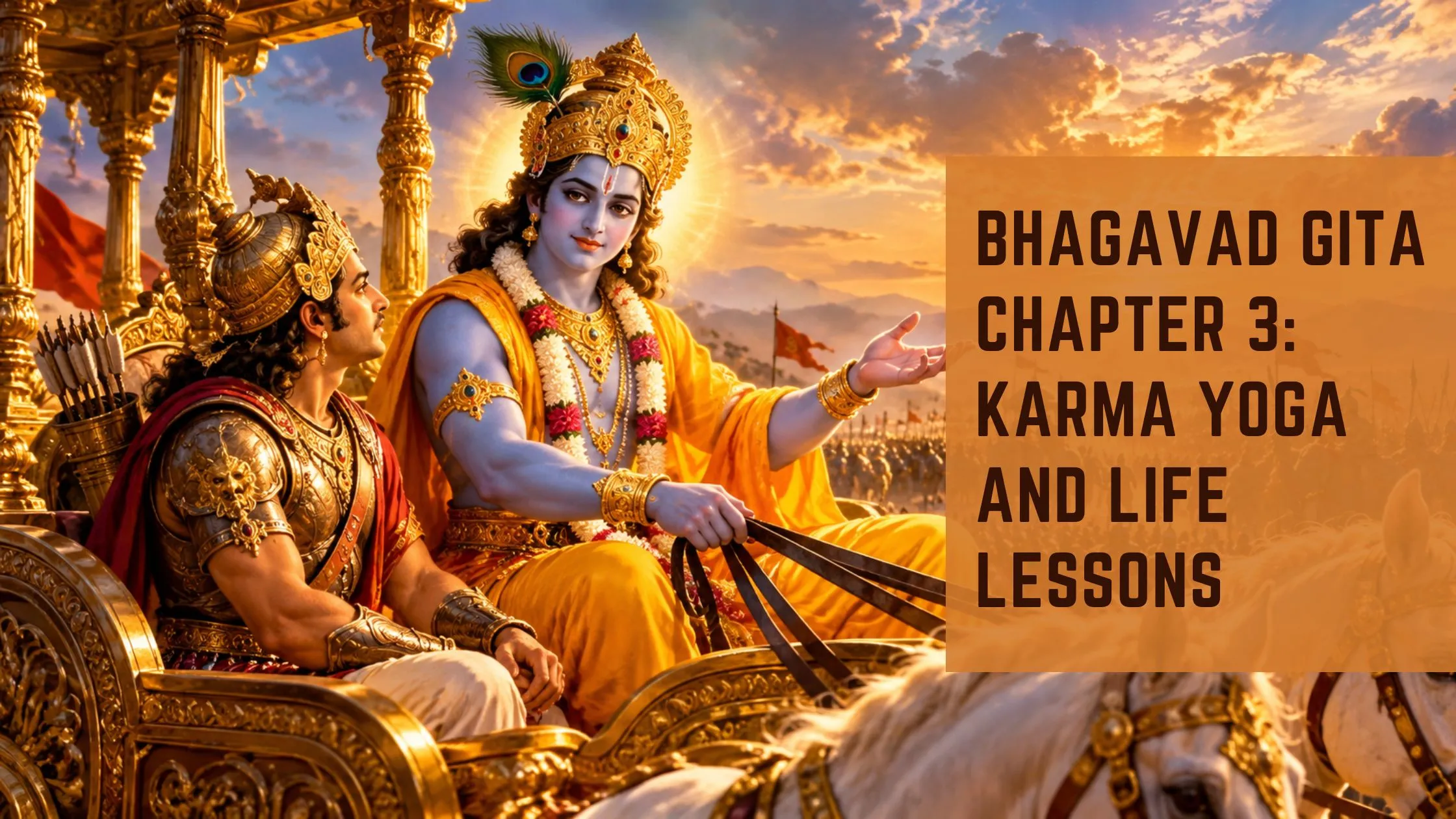
6. What Does the Bhagavad Gita Teach Us About Diwali?
Although the Bhagavad Gita does not directly describe the festival of Diwali, its teachings beautifully connect with the festival's spiritual message.
Here are three meaningful verses:
Verse 1: Knowledge Is the Highest Purifier
Bhagavad Gita 4.38
न हि ज्ञानेन सदृशं पवित्रमिह विद्यते।
Meaning: Nothing in this world is as purifying as knowledge.
Diwali Lesson: Just as a lamp removes physical darkness, knowledge removes the darkness of ignorance from our minds.
Verse 2: The Divine Light Within
Bhagavad Gita 10.11
तेषामेवानुकम्पार्थमहमज्ञानजं तमः।
नाशयाम्यात्मभावस्थो ज्ञानदीपेन भास्वता॥
Meaning: Out of compassion, I destroy the darkness born of ignorance within them through the shining lamp of knowledge.
Diwali Lesson: True light does not come only from outside. It also comes from wisdom, devotion, and awareness within us.
Verse 3: The Victory of Righteousness
Bhagavad Gita 4.7
यदा यदा हि धर्मस्य ग्लानिर्भवति भारत।
अभ्युत्थानमधर्मस्य तदात्मानं सृजाम्यहम्॥
Meaning: Whenever righteousness declines and unrighteousness rises, I manifest Myself.
Diwali Lesson: We should always stand for truth, justice, and righteousness, even when doing so is difficult.
7. Life Lessons We Can Learn from the Story of Diwali
Diwali is not just about remembering an ancient story. It is an opportunity to apply its teachings in our everyday lives.
| Life Lesson | What We Learn |
|---|---|
| Always follow truth | Rama teaches us the importance of honesty and integrity. |
| Control your ego | Ravana's downfall reminds us that pride can destroy even great achievements. |
| Stand against injustice | Rama's actions teach courage and responsibility. |
| Value relationships | Sita, Lakshmana, Hanuman, and Bharata demonstrate loyalty and devotion. |
| Share happiness | The lamps of Ayodhya remind us to spread joy and positivity. |
| Seek inner wisdom | Diwali encourages us to replace ignorance with knowledge. |
A beautiful thought to remember:
"Do not wait for the world to become brighter. Become a source of light in someone's life."
8. How Is Diwali Celebrated Across India?
Diwali is celebrated in different ways across India, reflecting the country's diverse traditions.
North India: The return of Lord Rama to Ayodhya is a central part of Diwali celebrations.
Western India: Lakshmi Puja and the beginning of a new financial year hold special importance in many communities.
South India: Naraka Chaturdashi is particularly significant, with early morning rituals and celebrations.
Eastern India: Kali Puja is an important part of Diwali celebrations, particularly in West Bengal.
Jain tradition: Diwali commemorates the nirvana of Lord Mahavira.
Sikh tradition: Bandi Chhor Divas is celebrated around the same time, commemorating Guru Hargobind Sahib Ji's release from imprisonment and his return to Amritsar.
These different celebrations show how Diwali and the festival season carry deep cultural, spiritual, and historical significance.
9. How Can We Celebrate Diwali in a Meaningful Way?
Beyond traditional celebrations, we can make Diwali more meaningful through simple acts of kindness.
Light traditional earthen diyas instead of relying entirely on decorative lights.
Donate food, clothes, or essential items to people in need.
Spend quality time with family and loved ones.
Avoid unnecessary waste and celebrate responsibly.
Forgive past misunderstandings and strengthen relationships.
Read a few verses from the Bhagavad Gita and reflect on their meaning.
Share happiness with people who may feel lonely or forgotten.
The true beauty of Diwali lies not only in how brightly our homes shine but also in how much kindness we bring into the lives of others.
Frequently Asked Questions
1. What is the main story behind Diwali?
The most widely known story is the return of Lord Rama, Goddess Sita, and Lakshmana to Ayodhya after fourteen years of exile and the defeat of Ravana. People welcomed them by lighting rows of lamps.
2. Why is Diwali called the Festival of Lights?
Diwali is called the Festival of Lights because lighting diyas and lamps is one of its most important traditions. The lights symbolise hope, knowledge, positivity, and the victory of good over evil.
3. How many years did Lord Rama spend in exile?
According to the Ramayana, Lord Rama spent fourteen years in exile before returning to Ayodhya.
4. Why is Goddess Lakshmi worshipped on Diwali?
Goddess Lakshmi is worshipped as the deity of wealth, prosperity, abundance, and good fortune. Devotees seek her blessings for peace and prosperity.
5. What is the spiritual meaning of Diwali?
Diwali represents the victory of light over darkness, knowledge over ignorance, and righteousness over evil. It also reminds us to remove negativity from our thoughts and actions.
6. What is the connection between Diwali and the Bhagavad Gita?
The Bhagavad Gita teaches the importance of knowledge, self-discipline, devotion, and righteousness. These teachings reflect the deeper spiritual values associated with Diwali.
7. Why do we worship Lord Ganesha and Goddess Lakshmi together?
Lord Ganesha represents wisdom and the removal of obstacles, while Goddess Lakshmi represents prosperity and abundance. Together, they symbolise the importance of combining wisdom with prosperity.
8. What are the five days of Diwali?
The five traditional days are Dhanteras, Naraka Chaturdashi, Lakshmi Puja, Govardhan Puja, and Bhai Dooj.
Conclusion
The story behind Diwali is much more than the return of Lord Rama to Ayodhya. It is a timeless reminder that truth, goodness, devotion, and righteousness always deserve our commitment.
The glowing diyas, beautiful decorations, prayers, and family celebrations make the festival special. But its real purpose is to inspire positive change within ourselves.
Just as the people of Ayodhya illuminated their kingdom to welcome Lord Rama, let us illuminate our hearts with kindness, wisdom, forgiveness, and compassion.
This Diwali, do not just light a lamp in your home. Light one in someone's life through your words, actions, and kindness.
Because the true meaning of Diwali is not simply celebrating the light around us, but awakening the light within us.
Explore more spiritual wisdom, timeless teachings, and life lessons from the Bhagavad Gita at TheGita.in. Discover how ancient Hindu scriptures can guide you towards peace, positivity, and a meaningful life.