Imagine a night when thousands of little diyas illuminate homes, colourful rangolis decorate doorways, families come together, and the atmosphere fills with prayers, happiness, and celebration. This beautiful occasion is Diwali, one of the most cherished festivals in India.
But have you ever wondered why we celebrate Diwali? Is it simply because Lord Rama returned to Ayodhya, or does this festival carry a deeper spiritual message?
Diwali, also known as Deepawali, represents the victory of light over darkness, knowledge over ignorance, and good over evil. Although different communities celebrate it for different religious and historical reasons, its central message remains universal: goodness, hope, purity, and righteousness always deserve to prevail.
Let's explore the fascinating stories, traditions, and spiritual significance behind this beautiful festival.
Table of Contents
- Key Takeaways
- 1. Why Do We Celebrate Diwali?
- 2. The Story of Lord Rama's Return to Ayodhya
- 3. Why Is Goddess Lakshmi Worshipped on Diwali?
- 4. The Story of Lord Krishna and Narakasura
- 5. Why Is Diwali Celebrated for Five Days?
- 6. What Is the Spiritual Significance of Diwali?
- 7. How Do People Celebrate Diwali in India?
- 8. Important Life Lessons We Can Learn from Diwali
- 9. Inspirational Diwali Quotes About Light, Hope and Positivity
- Frequently Asked Questions (FAQs)
- Conclusion: Diwali Is About More Than Just Lights
Key Takeaways
Diwali celebrates the victory of good over evil and light over darkness.
Lord Rama's return to Ayodhya after 14 years of exile is one of its most popular stories.
Goddess Lakshmi is worshipped for prosperity, wealth, and well-being.
Diwali is celebrated over five days, each having its own significance.
Different regions and communities celebrate Diwali for different historical and religious reasons.
The festival teaches us kindness, gratitude, forgiveness, and spiritual awareness.

1. Why Do We Celebrate Diwali?
Diwali is celebrated to honour the victory of righteousness over evil and the arrival of light, happiness, and prosperity into our lives.
The word Deepawali comes from two Sanskrit words:
Deepa: Lamp or light.
Avali: Row or series.
Together, Deepawali means a row of lights or lamps.
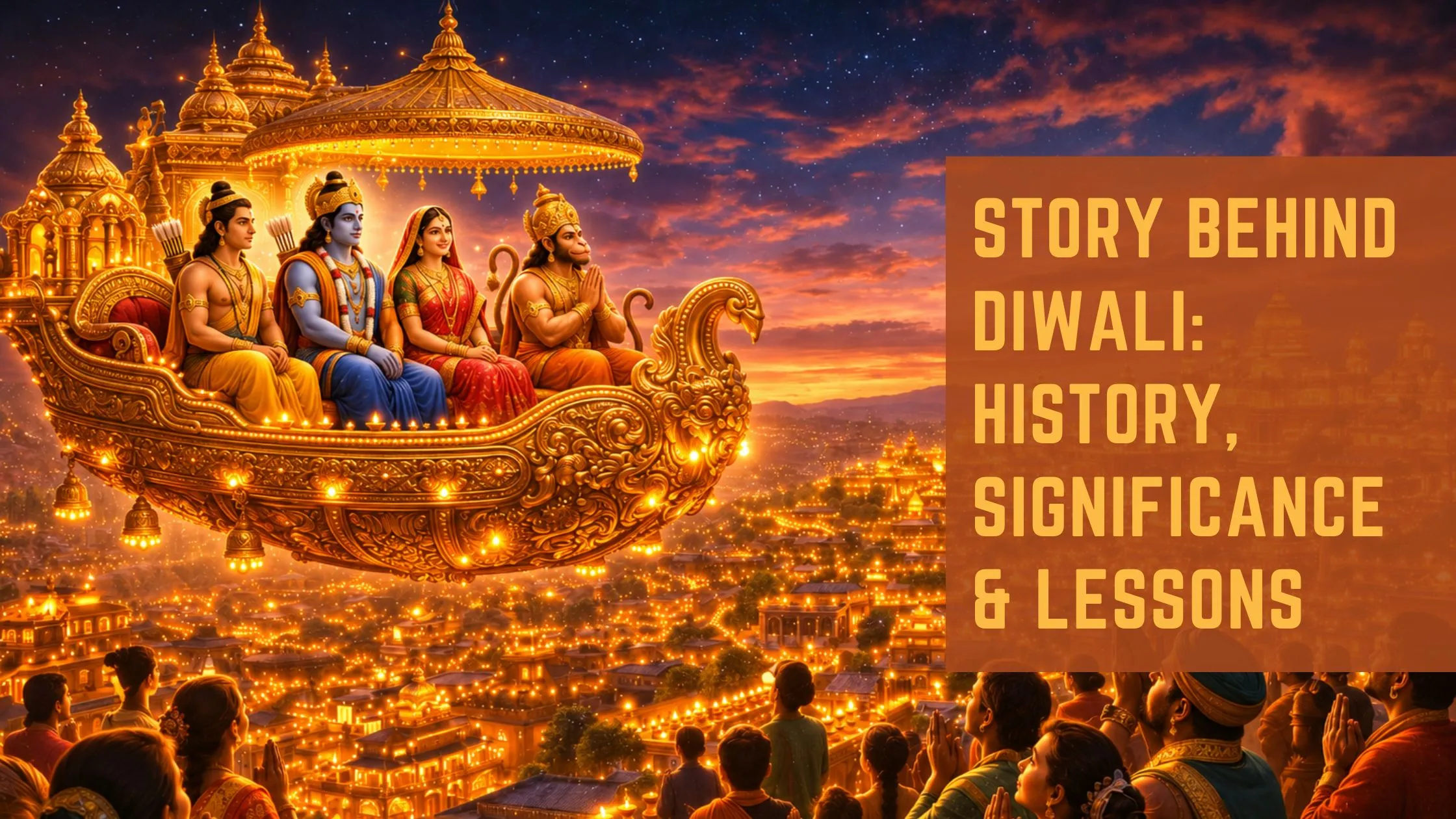
For millions of Hindus, the festival is associated with Lord Rama's return to Ayodhya after defeating Ravana. According to the Ramayana, the people of Ayodhya welcomed Rama, Sita, and Lakshmana by lighting rows of oil lamps.
However, Diwali has several other important religious associations:
Worship of Goddess Lakshmi, the goddess of wealth and prosperity.
Lord Krishna's victory over the demon Narakasura.
Lord Vishnu's Vamana incarnation and the story of King Bali in some traditions.
The Jain celebration of Lord Mahavira's attainment of Nirvana.
The Sikh observance of Bandi Chhor Divas, commemorating Guru Hargobind Sahib's release from imprisonment.
Thus, Diwali is much more than a festival of lights. It is a celebration of faith, freedom, wisdom, and new beginnings.

2. The Story of Lord Rama's Return to Ayodhya
One of the most widely known reasons for celebrating Diwali comes from the epic Ramayana.
Lord Rama, the prince of Ayodhya, was sent into exile for 14 years along with Goddess Sita and his brother Lakshmana. During their exile, Ravana, the king of Lanka, abducted Sita.
To rescue her, Lord Rama fought a great battle against Ravana and ultimately defeated him, symbolising the victory of righteousness over arrogance and evil.
After completing his exile, Lord Rama returned to Ayodhya with Sita and Lakshmana.
The people of Ayodhya were overjoyed. They decorated their homes, illuminated the streets with earthen lamps, and welcomed their beloved king.
This joyful welcome became one of the most celebrated stories associated with Diwali.
Spiritual Lesson: Just as light returned to Ayodhya after a period of darkness, we should never lose hope during difficult phases of life.

3. Why Is Goddess Lakshmi Worshipped on Diwali?
Another important reason behind Diwali celebrations is the worship of Goddess Lakshmi.
According to Hindu tradition, Goddess Lakshmi represents wealth, prosperity, abundance, good fortune, and well-being.
On the main day of Diwali, families perform Lakshmi Puja to seek blessings for happiness, peace, and prosperity.
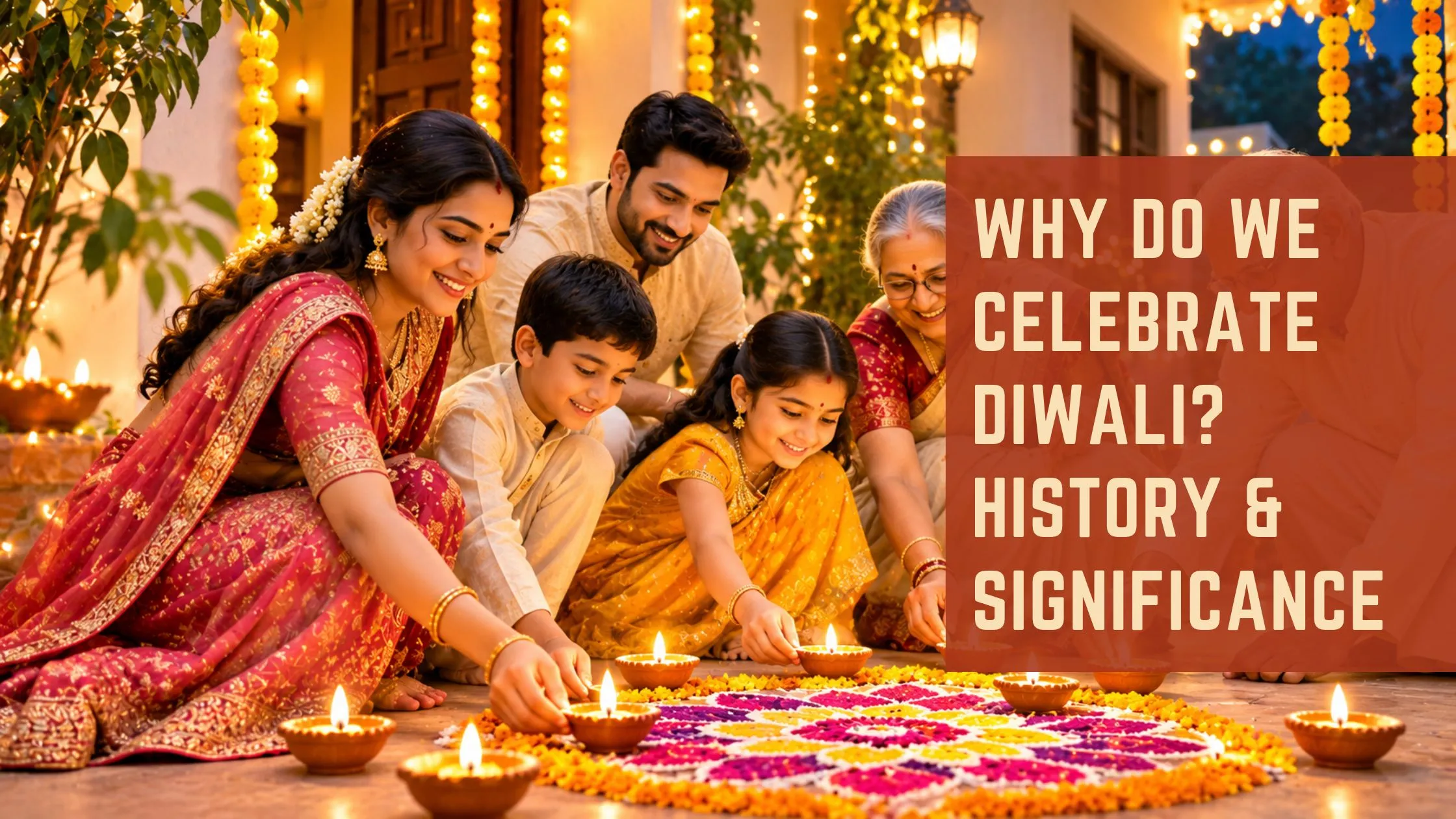
People clean and decorate their homes, light diyas, prepare sweets, and create rangolis to welcome the goddess.
However, the deeper meaning of Lakshmi worship goes beyond material wealth.
True prosperity also includes:
Good health and peace of mind.
Knowledge and wisdom.
Loving relationships.
Gratitude and generosity.
Contentment and spiritual growth.
Spiritual Lesson: Wealth becomes meaningful when it is accompanied by kindness, honesty, gratitude, and responsibility.
4. The Story of Lord Krishna and Narakasura
In many parts of India, particularly South India, Diwali is associated with the victory of Lord Krishna over the demon Narakasura.
According to the Bhagavata Purana tradition, Narakasura was a powerful demon who became arrogant and began troubling people, including the gods.
Lord Krishna, accompanied by Satyabhama, fought against Narakasura and defeated him, freeing those who had been imprisoned.
This victory is remembered as Naraka Chaturdashi, which falls one day before the main Diwali celebration in many traditions.
The story reminds us that power without morality leads to destruction, while courage and righteousness protect the world.
Spiritual Lesson: No matter how powerful negativity becomes, truth and courage can overcome it.
5. Why Is Diwali Celebrated for Five Days?
Diwali is not limited to one day. It is traditionally celebrated over five days, with each day carrying its own religious and cultural importance.
| Day | Festival | Significance |
|---|---|---|
| Day 1 | Dhanteras | Celebrates health, wealth, and prosperity. |
| Day 2 | Naraka Chaturdashi (Choti Diwali) | Celebrates the destruction of Narakasura. |
| Day 3 | Lakshmi Puja (Diwali) | Worship of Goddess Lakshmi and Lord Ganesha. |
| Day 4 | Govardhan Puja | Remembers Lord Krishna lifting Govardhan Hill. |
| Day 5 | Bhai Dooj | Celebrates the loving bond between brothers and sisters. |
These five days bring families together and encourage gratitude, devotion, generosity, and stronger relationships.
Note: The exact sequence and observances can vary by region, lunar calendar, and community.
6. What Is the Spiritual Significance of Diwali?
Beyond its historical and religious stories, Diwali carries a powerful spiritual message.
It encourages us to look within ourselves and remove the darkness of negative thoughts, ego, anger, jealousy, and ignorance.
The festival reminds us that lighting a diya outside our homes is meaningful, but lighting the lamp of wisdom within our hearts is equally important.
One of the most meaningful Sanskrit prayers expresses this idea beautifully:
तमसो मा ज्योतिर्गमय।
Meaning: Lead me from darkness to light.
This prayer from the Brihadaranyaka Upanishad reflects the deeper purpose of Diwali: moving from ignorance towards knowledge and from confusion towards truth.
Diwali and the Teachings of the Bhagavad Gita
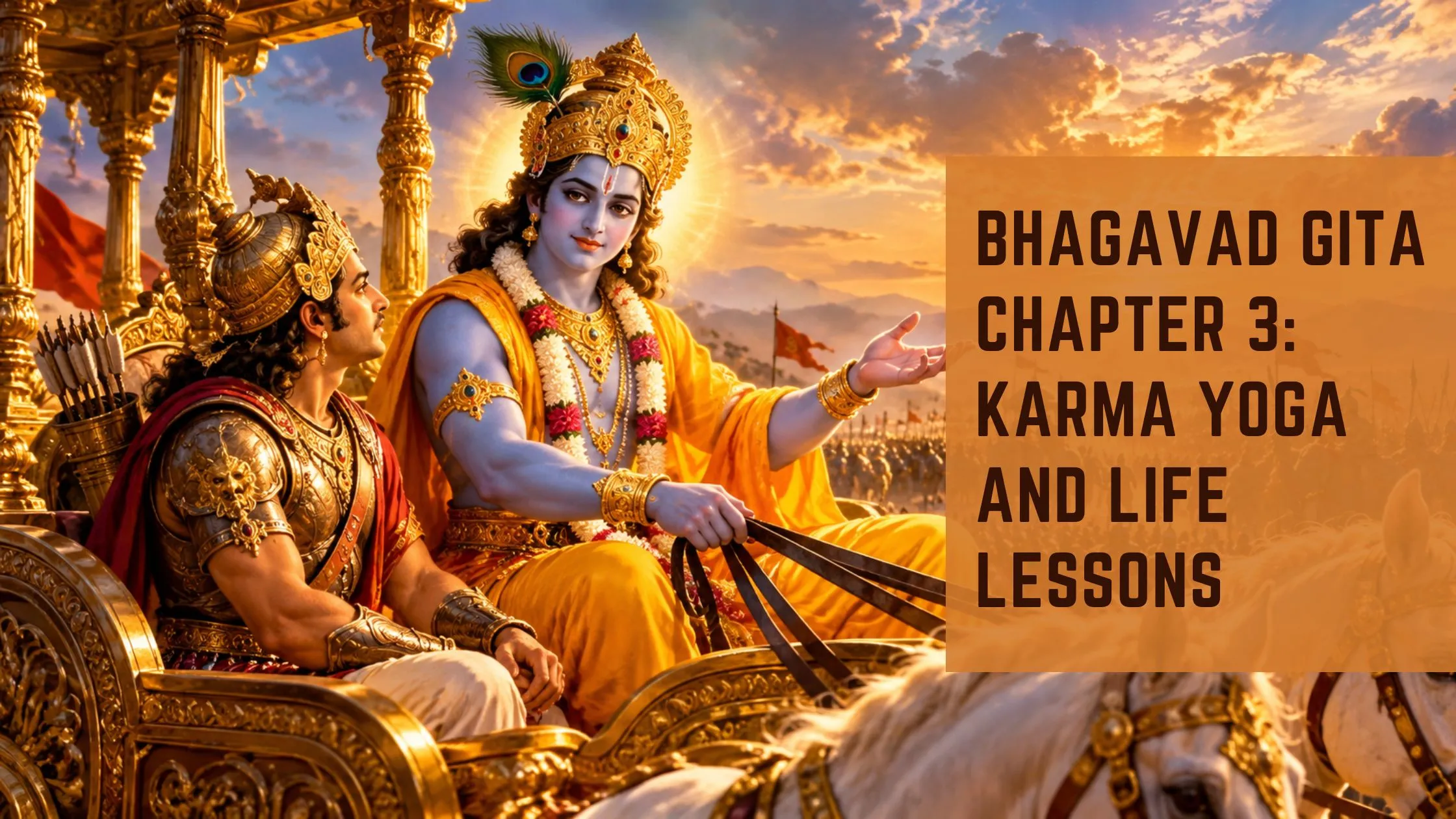
The Bhagavad Gita also offers teachings that connect beautifully with the spirit of Diwali.
| Bhagavad Gita Teaching | Life Lesson |
|---|---|
| Chapter 2, Verse 47 | Focus on your actions rather than becoming attached to their results. |
| Chapter 4, Verse 7–8 | Whenever righteousness declines, the Divine manifests to restore Dharma. |
| Chapter 6, Verse 5 | Elevate yourself through your own mind and actions. |
| Chapter 16, Verse 21 | Desire, anger, and greed lead towards destruction. |
These teachings remind us that the real celebration of Diwali begins when we bring positive changes into our thoughts and actions.
7. How Do People Celebrate Diwali in India?
Diwali is celebrated with great enthusiasm across India. Although traditions differ from region to region, several customs are widely followed.
Popular Diwali traditions include:
Cleaning homes: People clean and decorate their homes as a symbol of welcoming positivity and prosperity.
Lighting diyas: Earthen lamps represent hope, wisdom, and the victory of light.
Creating rangolis: Colourful designs welcome guests and add beauty to homes.
Performing Lakshmi Puja: Families pray for prosperity, happiness, and well-being.
Sharing sweets: People exchange sweets and gifts to express love and strengthen relationships.
Wearing new clothes: Families dress in traditional outfits to mark the festive occasion.
Helping others: Giving food, donations, and support to those in need reflects the spirit of generosity.
Today, many families also choose eco-friendly celebrations by using fewer firecrackers, avoiding excessive noise, and reducing pollution.
8. Important Life Lessons We Can Learn from Diwali
Diwali is not only about decorations, lights, and celebrations. It teaches valuable lessons that we can apply throughout our lives.
Good always deserves to win: Follow the path of truth even when challenges appear difficult.
Remove negativity: Let go of anger, jealousy, hatred, and unnecessary ego.
Value family relationships: Spend meaningful time with loved ones and forgive past misunderstandings.
Practise gratitude: Appreciate the blessings and opportunities you already have.
Share happiness: True joy increases when we help and support others.
Choose knowledge over ignorance: Continue learning and improving yourself.
"A single lamp can remove darkness from a room; a single good thought can transform a life."
This is the deeper message of Diwali: become a source of light not only for yourself but also for others.
9. Inspirational Diwali Quotes About Light, Hope and Positivity
Here are some meaningful Diwali quotes that reflect the festival's spiritual message:
"Let the light of wisdom shine brighter than the darkness of ignorance."
"Diwali is not just about lighting lamps; it is about awakening the light within."
"Where there is kindness, there is true prosperity."
"Let go of negativity and welcome a new beginning."
"The brightest light is the one that brings peace to another person's life."
"Celebrate Diwali by spreading love, compassion, and happiness."
Frequently Asked Questions (FAQs)
1. Why do we celebrate Diwali?
We celebrate Diwali to honour the victory of good over evil and light over darkness. It is also associated with Lord Rama's return to Ayodhya and the worship of Goddess Lakshmi.
2. Why is Diwali called the Festival of Lights?
Diwali is called the Festival of Lights because people illuminate their homes, temples, and streets with diyas, candles, and decorative lights. These lights symbolise hope, positivity, and the victory of righteousness.
3. What is the real meaning of Diwali?
The real meaning of Diwali is to remove inner darkness through knowledge, goodness, faith, and positive actions.
4. Why do we worship Goddess Lakshmi on Diwali?
Goddess Lakshmi is worshipped because she represents wealth, prosperity, abundance, and good fortune. Devotees seek her blessings for happiness and well-being.
5. Why did people of Ayodhya light diyas for Lord Rama?
According to the popular Ramayana tradition, the people of Ayodhya lit rows of lamps to celebrate Lord Rama's return after 14 years of exile.
6. Why is Diwali celebrated for five days?
Diwali is celebrated over five days because each day represents a different religious and cultural tradition, including Dhanteras, Naraka Chaturdashi, Lakshmi Puja, Govardhan Puja, and Bhai Dooj.
7. What is the spiritual significance of lighting diyas?
Lighting diyas represents the removal of ignorance, negativity, and darkness from our lives while welcoming wisdom, hope, and positivity.
8. Is Diwali celebrated only by Hindus?
No. Although Diwali is primarily a Hindu festival, it is also an important occasion for Jains and some Buddhist and Sikh communities, who observe it through their own religious traditions.
Conclusion: Diwali Is About More Than Just Lights
So, why do we celebrate Diwali? We celebrate it to remember the victory of righteousness, welcome prosperity, honour our traditions, and spread happiness among the people around us.
From Lord Rama's return to Ayodhya to Goddess Lakshmi's worship and Lord Krishna's victory over Narakasura, every story carries a meaningful lesson.
But perhaps the most beautiful message of Diwali is that we should not simply illuminate our homes with lamps; we should also illuminate our hearts with kindness, wisdom, compassion, and gratitude.
This Diwali, let us make a promise to remove negativity, help those in need, strengthen our relationships, and become a source of light in someone's life.
Because the true spirit of Diwali is not found only in the lights we decorate our homes with, but in the goodness we bring into the world.
Explore more spiritual wisdom, Bhagavad Gita teachings, and meaningful life lessons at thegita.in.