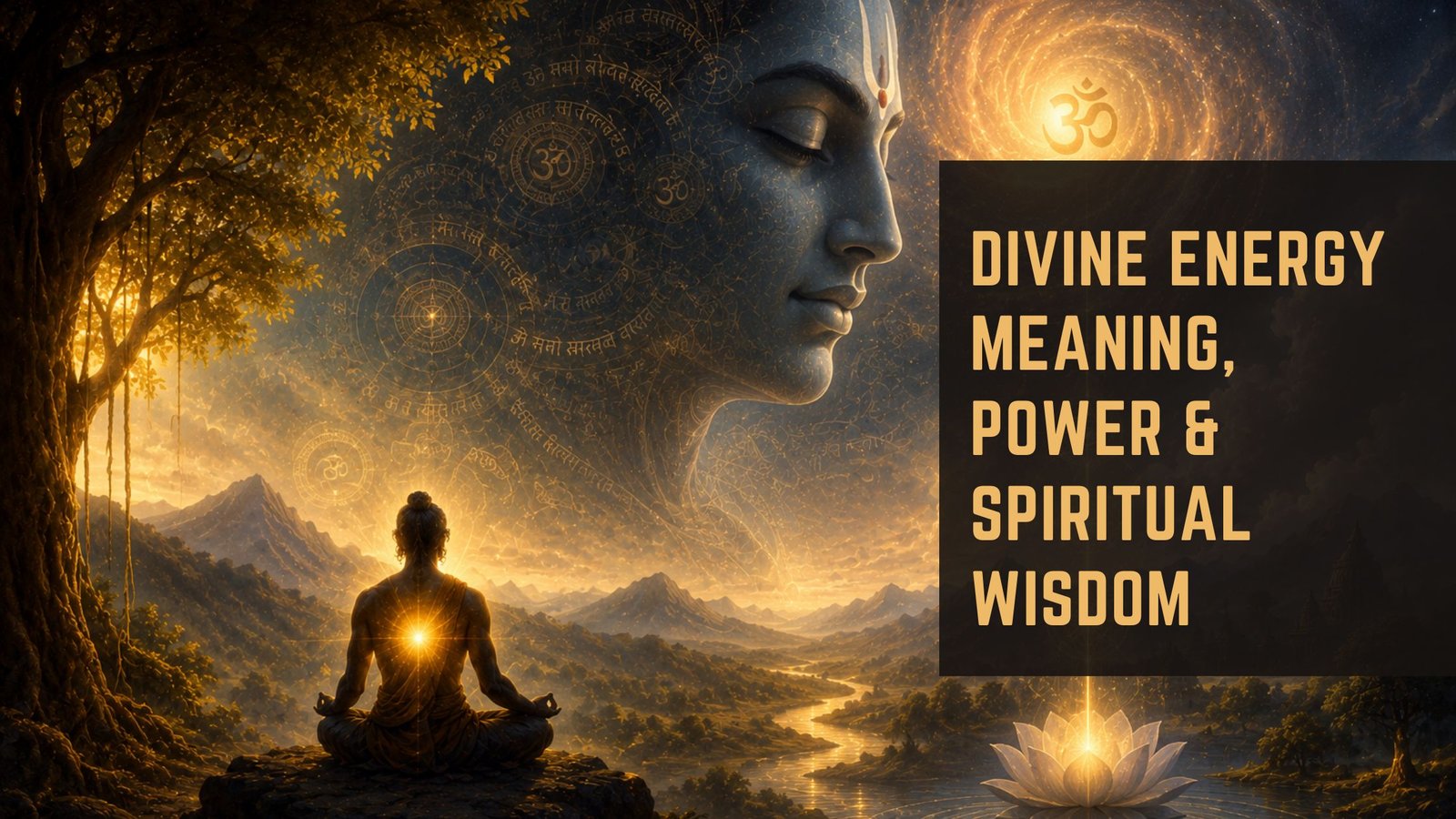
The universe is beautifully balanced by five fundamental forces known as the 5 Elements of Nature—Earth, Water, Fire, Air, and Space. These elements are not only the foundation of physical existence but also the pillars of spiritual wisdom, emotional balance, and cosmic harmony. In ancient Indian philosophy, they are called Pancha Mahabhuta, which means the five great elements that form the building blocks of creation.
From the body we live in to the air we breathe and the fire that fuels life, everything around us is governed by the rhythm of these elements. Understanding the 5 elements of nature helps us live in alignment with nature, improves health, deepens spiritual awareness, and brings inner peace.
“When you understand the five elements, you understand the language of the universe.”
Table of Contents
What Are the 5 Elements of Nature?
The 5 Elements of Nature are universal forces present in everything that exists. According to Vedic science, Ayurveda, Yoga, and spiritual philosophy, these elements form the cosmic structure of life.
The Five Elements Are:
- Earth (Prithvi) – Stability & Strength
- Water (Jal) – Flow & Emotion
- Fire (Agni) – Energy & Transformation
- Air (Vayu) – Movement & Life Force
- Space (Akash) – Expansion & Consciousness
Each element controls both the external natural world and the internal human system. Every emotion, action, health condition, and thought is influenced by the balance or imbalance of these five elements.
1. Earth Element (Prithvi): The Foundation of Stability
The Earth element represents solidity, structure, nourishment, and grounding. Everything that is solid in this universe—mountains, soil, bones, muscles, food—comes from Earth.
Key Qualities of Earth:
- Stability
- Strength
- Patience
- Support
- Endurance
Earth Element in the Human Body:
- Bones and teeth
- Muscles and tissues
- Skin and hair
- Physical strength
When the Earth element is balanced, a person feels secure, calm, and confident. When imbalanced, fear, greed, or physical weakness arises.
“Like the Earth, stay rooted even when storms arrive.”
Life Lessons from Earth:
- Stay grounded in difficult situations
- Be patient and steady in growth
- Build strong foundations before seeking success
- Respect nature and food as sacred gifts
2. Water Element (Jal): The Source of Life and Emotion
Water is the essence of life. It flows through rivers, oceans, rain, and also through our blood, tears, and cells. The Water element represents fluidity, purification, love, emotion, and adaptability.
Key Qualities of Water:
- Flexibility
- Compassion
- Purity
- Healing
- Adaptability
Water Element in the Human Body:
- Blood circulation
- Digestion
- Saliva
- Sweat
- Emotional responses
An excess of Water creates emotional attachment and dependency. A deficiency leads to dryness, rigidity, and emotional coldness.
“Water teaches us that softness can overcome hardness.”
Life Lessons from Water:
- Flow with change instead of resisting it
- Keep the heart pure and emotions healthy
- Learn to adapt without losing identity
- Let go of emotional burdens
3. Fire Element (Agni): Power, Energy, and Transformation
The Fire element stands for energy, digestion, passion, willpower, and transformation. Fire is the force behind light, heat, metabolism, creativity, and progress.
Key Qualities of Fire:
- Power
- Courage
- Purification
- Drive
- Leadership
Fire Element in the Human Body:
- Digestive fire (Agni)
- Body temperature
- Metabolism
- Vision
- Brain activity
Balanced Fire gives confidence, motivation, clarity, and ambition. Imbalanced Fire leads to anger, ego, acidity, and restlessness.
“Fire does not destroy; it transforms.”
Life Lessons from Fire:
- Burn negativity without burning relationships
- Use power for progress, not destruction
- Stay disciplined and focused
- Transform pain into strength
4. Air Element (Vayu): Breath of Life and Movement
Without air, life ceases to exist. The Air element governs breath, movement, communication, and life force (prana). It is invisible yet powerful.
Key Qualities of Air:
- Movement
- Freedom
- Lightness
- Intelligence
- Communication
Air Element in the Human Body:
- Breathing system
- Nervous system
- Blood circulation
- Joint movement
- Thought process
Balanced Air creates creativity, alertness, joy, and enthusiasm. Disturbed Air causes anxiety, fear, insomnia, and overthinking.
“Air reminds us that the unseen often holds the greatest power.”
Life Lessons from Air:
- Keep life moving forward
- Let thoughts flow freely
- Breathe deeply and live fully
- Do not trap yourself in fear
5. Space Element (Akash): Consciousness and Infinity
The Space element is the subtlest among the five. It represents emptiness, expansion, sound, and universal consciousness. Without space, no element could exist.
Key Qualities of Space:
- Openness
- Freedom
- Awareness
- Silence
- Limitlessness
Space Element in the Human Body:
- Cavities in organs
- Ears and sound perception
- Mind and subconscious
- Spiritual awareness
Balanced Space creates peace, wisdom, and intuition. Imbalance leads to isolation, confusion, and disconnection.
“In silence, the universe speaks.”
Life Lessons from Space:
- Create inner silence for clarity
- Let go of unnecessary mental noise
- Give space to others and yourself
- Understand that emptiness is also fullness
Scientific View of the 5 Elements of Nature
Modern science also acknowledges that all matter exists in multiple states—solid, liquid, gas, energy, and vacuum—corresponding directly to the five elements. Even the human body is made of approximately:
- 65% Water
- Oxygen (Air)
- Carbon and minerals (Earth)
- Metabolic Energy (Fire)
- Space inside cells and atoms
Thus, ancient wisdom and modern science agree that the 5 elements of nature form the core structure of existence.
Spiritual Significance of the 5 Elements of Nature
In yogic philosophy and spirituality, the journey of self-realization begins with mastering the five elements. Each chakra in the human body is connected with an element:
- Muladhara (Root) – Earth
- Swadhisthana (Sacral) – Water
- Manipura (Solar Plexus) – Fire
- Anahata (Heart) – Air
- Vishuddha (Throat) – Space
Balancing these elements through yoga, meditation, breathing, and right living leads to spiritual awakening and inner harmony.
“Balance the elements within you, and the universe will balance itself for you.”
Role of 5 Elements in Ayurveda
Ayurveda teaches that the human body is governed by three doshas formed by the five elements:
- Vata (Air + Space) – Movement
- Pitta (Fire + Water) – Metabolism
- Kapha (Earth + Water) – Structure
Any disease arises due to imbalance in these elements. Restoring balance through diet, lifestyle, herbs, and meditation heals the body naturally.

Daily Life Lessons from the 5 Elements of Nature
The 5 elements of nature continuously teach us how to live wisely:
- From Earth – Be strong, patient, and stable
- From Water – Stay flexible and compassionate
- From Fire – Be passionate yet disciplined
- From Air – Keep moving forward lightly
- From Space – Remain open, calm, and aware
Each moment of life reflects the silent teachings of these divine elements.
Powerful Quotes on the 5 Elements of Nature
“The body is Earth, emotions are Water, will is Fire, breath is Air, and the soul is Space.”
“When the five elements are in balance, life flows in perfect harmony.”
“Nature does not hurry, yet everything is accomplished.”
“Fire gives power, water gives life, air gives breath, earth gives form, and space gives freedom.”
How to Balance the 5 Elements in Daily Life
Balancing the five elements of nature improves physical health, emotional stability, and spiritual growth.
- Walk barefoot on soil (Earth)
- Drink enough clean water (Water)
- Sunlight exposure and disciplined routine (Fire)
- Deep breathing and pranayama (Air)
- Meditation and silence practices (Space)
Even simple habits like gratitude, clean eating, and mindful breathing create elemental balance.
Modern Relevance of the 5 Elements of Nature
In today’s fast life filled with stress, digital overload, and pollution, imbalance of elements is common. Emotional instability, anxiety, digestive disorders, and lifestyle diseases are all signs of elemental disturbance.
Reconnecting with the 5 elements of nature through nature walks, yoga, eco-friendly living, and mindful awareness restores harmony that modern life often disturbs.
FAQs
Q1. What are the 5 elements of nature?
The five elements are Earth, Water, Fire, Air, and Space. They form the building blocks of both the universe and the human body.
Q2. Are the 5 elements scientifically proven?
Yes. Modern science recognizes physical matter as solid, liquid, gas, energy, and space, which directly correspond to the five elements.
Q3. How do the 5 elements affect human health?
Imbalance in any element causes physical, emotional, and mental disorders. Balanced elements result in health and inner peace.
Q4. Which element is most powerful?
All five elements are equally powerful and interdependent. None can exist independently.
Q5. How can we balance the 5 elements naturally?
Through yoga, meditation, breathing, proper diet, contact with nature, and mindful lifestyle habits.
Conclusion
The 5 elements of nature are not just physical forces—they are living principles guiding every heartbeat, breath, thought, and emotion. From the solidity of Earth to the vast openness of Space, each element plays a divine role in shaping both our outer world and inner universe.
When we respect these elements, live in harmony with them, and understand their deeper meaning, life naturally becomes balanced, peaceful, and purposeful. The ancient wisdom of the five elements reminds us that we are not separate from nature—we are nature itself.
“To protect nature is to protect yourself, because you are made of the same five elements.”
Stay connected with the true essence of life through powerful spiritual knowledge at TheGita.in.