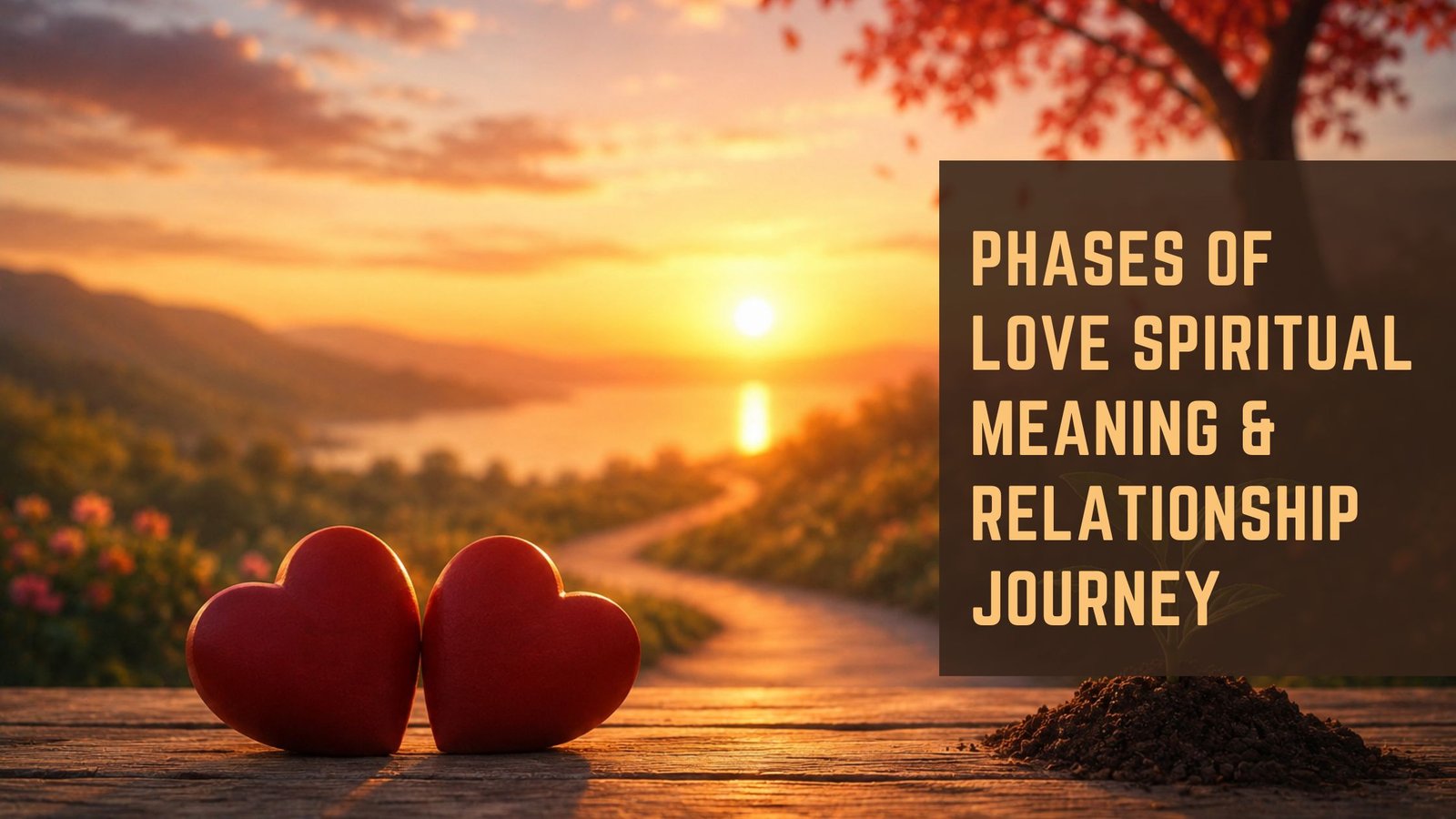
What if love is not just an emotion, but a sacred path the soul walks through lifetimes? What if every smile, heartbreak, sacrifice, and reunion is part of a divine design shaping the human spirit?
Across history, civilizations have tried to understand love. Poets called it eternal. Saints called it divine. Philosophers called it the bridge between the soul and truth. In Hindu philosophy, love is not limited to attraction it is transformation. The phases of love are seen as spiritual awakenings that slowly dissolve ego and reveal the deeper essence of existence.
The Ramayana, Mahabharata, and the teachings of the Bhagavad Gita describe love not merely as romance but as devotion, surrender, patience, duty, compassion, and divine union. From the eternal love of Radha and Krishna to the unwavering bond between Rama and Sita, the phases of love reveal how human relationships mirror spiritual growth.
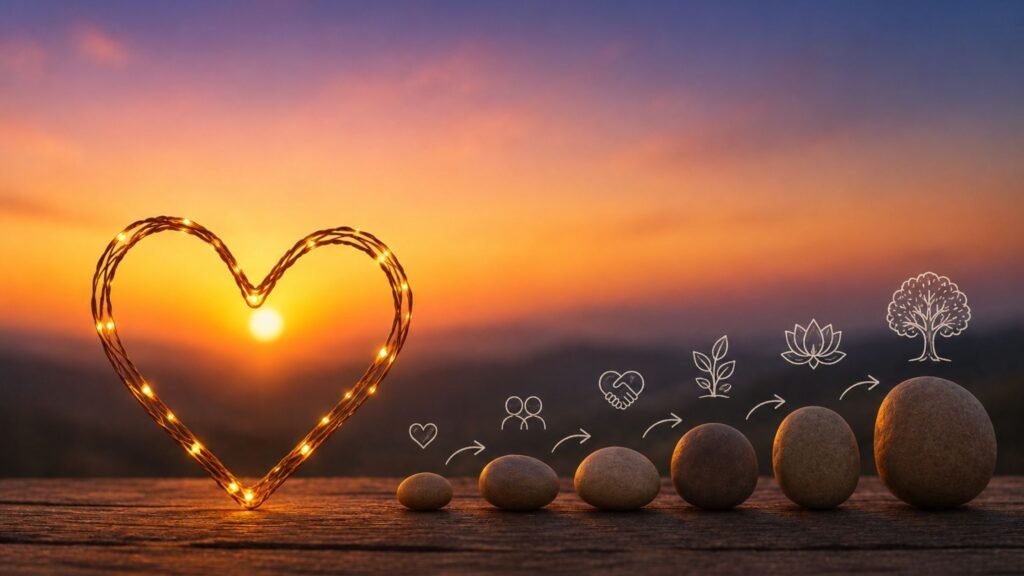
Love begins with attraction, grows through understanding, is tested by pain, purified through sacrifice, and ultimately becomes unconditional. Many relationships fail because people stop at the early stages and never reach the deeper dimensions where love matures into wisdom.
This journey through the phases of love is not only about relationships between two people it is also about the relationship between the soul and the Divine.
Table of Contents
Key Takeaways
- Understand the different phases of love and how relationships evolve emotionally and spiritually.
- Discover timeless lessons from Hindu epics that explain devotion, sacrifice, and unconditional love.
- Learn how true love transforms the human heart from attachment into spiritual awakening.
The Master Table Understanding the Phases of Love
| Phase of Love | Key Symbol | Reason & Spiritual Meaning | Emotional Experience |
|---|---|---|---|
| Attraction | Lotus Flower | Represents beauty, curiosity, and the beginning of emotional connection | Excitement and fascination |
| Attachment | Sacred Thread | Symbolizes emotional bonding and dependency | Desire for closeness |
| Trust | Lamp (Diya) | Represents stability, faith, and emotional safety | Comfort and security |
| Conflict & Growth | Fire | Purifies ego and exposes insecurities | Pain, misunderstandings |
| Sacrifice | River | Symbolizes surrender and selflessness | Compassion and patience |
| Spiritual Union | Flute of Krishna | Represents divine harmony beyond ego | Peace and unconditional love |
The First Phase of Love Attraction
The Legend
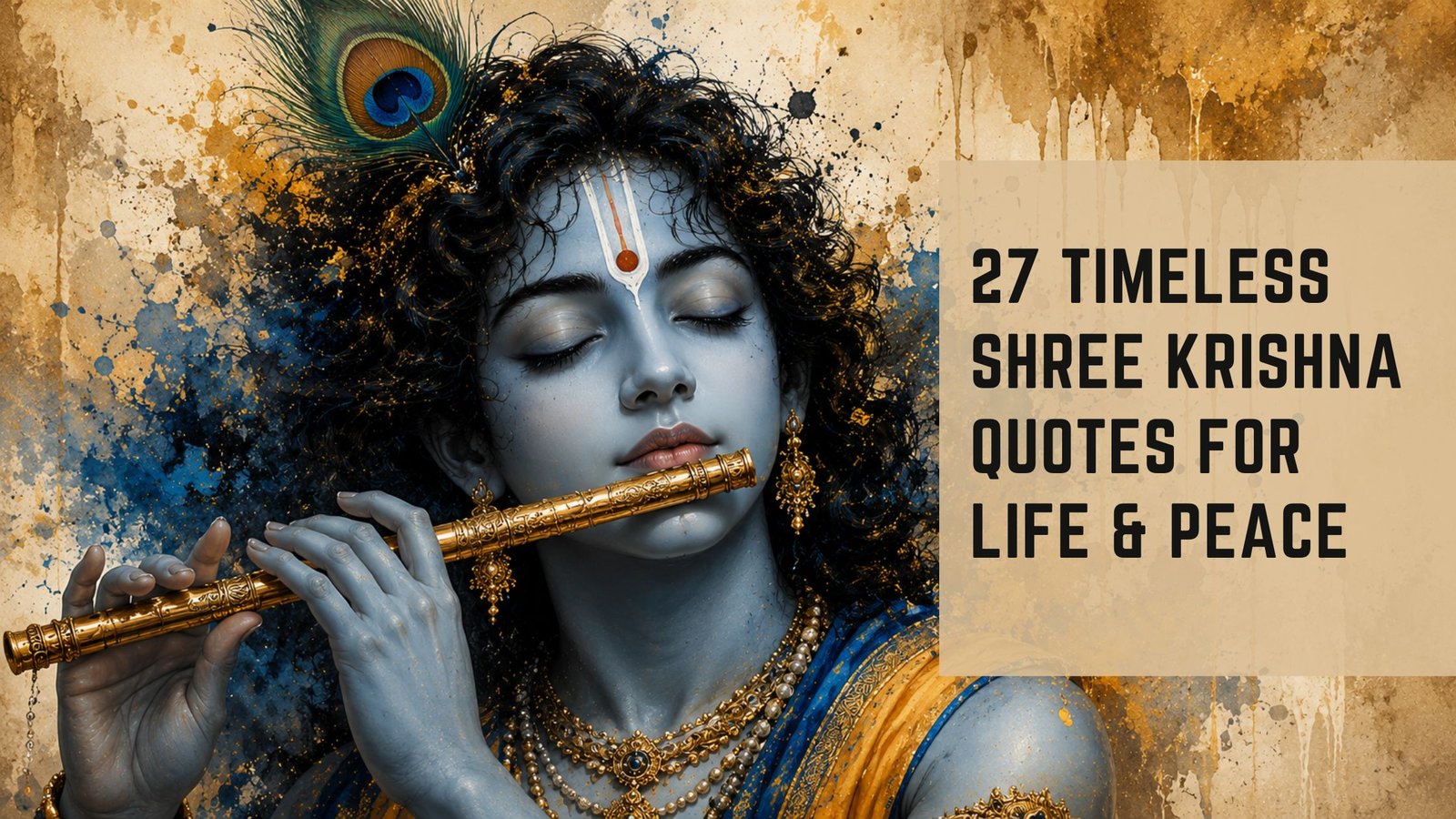
In Hindu traditions, attraction is often described as the first spark created by destiny. The story of Radha and Krishna symbolizes how souls recognize each other beyond logic and time. Their connection was not built merely on physical beauty but on an unexplainable spiritual pull.
The Story
Attraction begins suddenly. A voice, a smile, or a glance creates emotional movement within the heart. During this phase, people idealize one another. The mind imagines perfection, and emotions feel intense and magical.
Modern psychology explains attraction through chemistry, but spirituality sees it differently. Ancient sages believed attraction is the soul remembering familiarity from past karmic connections.
This phase feels beautiful because it awakens dormant emotions. Life suddenly gains color, meaning, and excitement. However, attraction alone is not lasting love. Many people mistake intensity for permanence.
The Modern Lesson
Attraction is the doorway, not the destination. Real love cannot survive only on beauty or excitement. Relationships grow when attraction evolves into understanding.
People today often chase temporary emotional highs. Social media encourages surface-level attraction, making relationships fragile. The first phase of love teaches us to enjoy beauty without becoming blinded by illusion.
Key Quote
“यत्र नार्यस्तु पूज्यन्ते रमन्ते तत्र देवताः”
“Where love and respect exist, divine energies reside.”
The Second Phase of Love Emotional Attachment
The Legend
The devotion of Sita toward Rama in the Ramayana represents emotional attachment filled with loyalty and trust. Even during exile and suffering, her heart remained connected to Rama.
The Story
After attraction comes attachment. This is the phase where people begin depending emotionally on each other. Communication deepens, memories are created, and emotional security develops.
Attachment brings comfort. The presence of the other person feels calming, while separation creates longing. Human beings naturally seek emotional belonging because love satisfies the deepest desire of the heart—to feel understood.
Yet attachment also creates fear. Fear of loss, rejection, and abandonment begins emerging. This is why many relationships become possessive during this stage.
Spiritual wisdom teaches that attachment must be balanced with inner stability. Love should connect hearts without imprisoning souls.
The Modern Lesson
Many relationships fail because attachment becomes control. True love allows freedom, growth, and individuality.
Healthy attachment creates emotional support. Unhealthy attachment creates dependency. The phases of love teach that emotional connection must strengthen both people rather than weaken their independence.
Key Quote
“Attachment without wisdom becomes suffering.”
— Inspired by the teachings of the Bhagavad Gita
The Third Phase of Love Trust and Understanding
The Legend
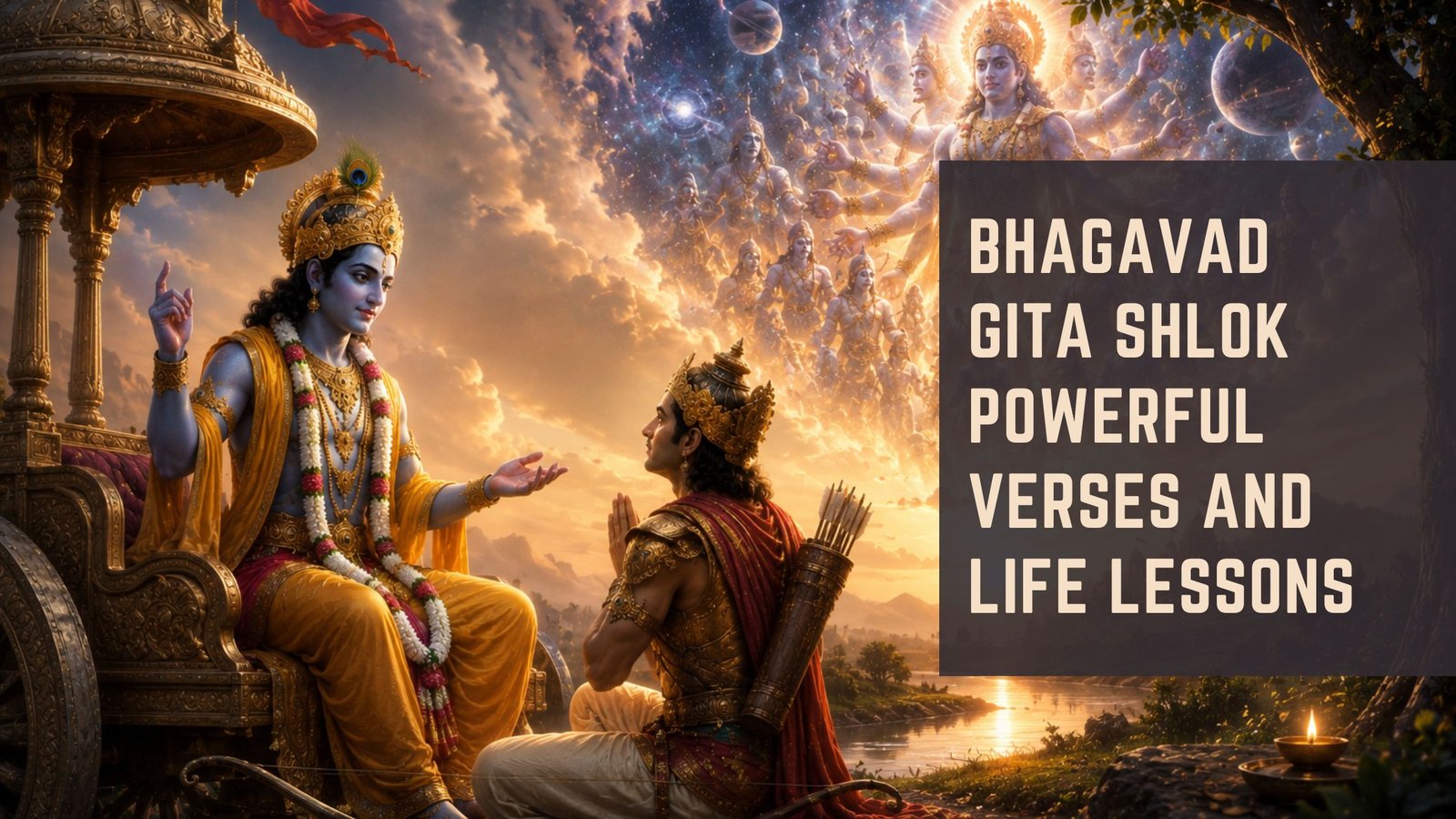
The friendship between Krishna and Arjuna in the Mahabharata reveals a profound phase of trust. Arjuna surrendered his confusion to Krishna because he trusted his wisdom completely.
The Story
Trust is the foundation that transforms temporary affection into lasting love. During this phase, people begin revealing their fears, flaws, dreams, and insecurities.
Masks slowly disappear. Genuine understanding emerges.
This phase is less dramatic than attraction, but far deeper. Love matures when two individuals feel emotionally safe with each other.
Trust requires honesty, consistency, patience, and communication. Without trust, relationships remain unstable regardless of passion.
The spiritual meaning of trust is surrender. It is believing that another heart will protect your vulnerability rather than misuse it.
The Modern Lesson
Modern relationships often struggle because communication is replaced by assumptions. Trust cannot grow where transparency is absent.
The phases of love remind us that emotional safety is more valuable than temporary excitement. A peaceful relationship nourishes the soul more deeply than chaotic passion.
Key Quote
“श्रद्धावान् लभते ज्ञानम्”
“The faithful attain wisdom.”
Bhagavad Gita 4.39
The Fourth Phase of Love Conflict and Transformation
The Legend
The Mahabharata itself is filled with relationships tested through pain, ego, misunderstandings, and duty. Even the strongest bonds faced challenges that transformed individuals spiritually.
The Story
Every relationship eventually enters conflict. Differences emerge. Expectations clash. Hidden insecurities surface.
This phase is painful because illusions break apart. The idealized image created during attraction fades, revealing reality.
Yet conflict is not always destructive. In many cases, it becomes the turning point that deepens understanding.
Arguments reveal emotional wounds. Disagreements expose unhealed fears. Love becomes a mirror reflecting the parts of ourselves that require growth.
Spiritual teachings compare this phase to fire. Fire burns impurities and purifies gold. Similarly, struggles in relationships reveal whether love is shallow attachment or genuine commitment.
The Modern Lesson
Many people abandon relationships during difficult moments because they expect love to remain effortless forever.
However, the phases of love show that conflict can strengthen relationships when handled with maturity, empathy, and communication.
A relationship grows not because problems never appear, but because both individuals learn how to face challenges together.
Key Quote
“The fire that tests gold also reveals its purity.”
The Fifth Phase of Love Sacrifice and Compassion
The Legend
The devotion of Hanuman toward Rama is one of the greatest examples of selfless love in Hindu tradition. Hanuman expected nothing in return. His love was pure service and surrender.
The Story
At this stage, love evolves beyond selfish desire. People begin prioritizing each other’s well-being, happiness, and emotional peace.
Sacrifice in love does not mean losing oneself completely. It means willingly choosing compassion over ego.
Parents experience this phase naturally. Spiritual seekers experience it toward humanity and the Divine.
Compassion transforms relationships because it creates emotional healing. Love becomes less about receiving and more about giving.
This phase is rare because modern culture often promotes transactional relationships. People ask, “What am I getting?” rather than “How can I contribute?”
The Modern Lesson
True love requires emotional maturity. Sacrifice is not weakness—it is strength guided by wisdom.
Relationships survive long-term because of kindness, forgiveness, patience, and mutual care. Small acts of compassion often matter more than grand romantic gestures.
Key Quote
“In selfless love, the soul discovers its highest beauty.”
The Sixth Phase of Love Spiritual Union
The Legend
Radha and Krishna symbolize the highest phase of love—union beyond physical presence. Their connection transcended societal definitions and became eternal devotion.
The Story
The final phase of love is spiritual union. At this stage, love is no longer driven by fear, control, or ego.
There is acceptance. Peace replaces insecurity. Presence becomes more important than possession.
This phase teaches that love is ultimately divine energy flowing through human experience. The soul realizes that real love cannot be owned because it is sacred.
Spiritual union is not limited to romantic relationships. It can also appear in devotion toward God, compassion toward humanity, or inner harmony within oneself.
The greatest saints described divine love as the purest form of existence.
The Modern Lesson
Modern society often confuses obsession with love. But obsession creates anxiety, while spiritual love creates peace.
The phases of love ultimately guide individuals toward self-awareness. The more love matures, the less ego dominates the relationship.
True love liberates rather than controls.
Key Quote
“Love is the bridge between the soul and eternity.”
Comparison Section Temporary Love vs Eternal Love
Temporary Love
- Based mainly on attraction
- Seeks validation and attention
- Easily disturbed by conflict
- Driven by ego and expectations
- Fearful of change and separation
Eternal Love
- Built on trust and understanding
- Encourages emotional growth
- Survives difficulties with patience
- Rooted in compassion and surrender
- Creates inner peace and spiritual connection
The Hidden Emotional Power Behind the Phases of Love
The phases of love are not just emotional experiences—they are spiritual transformations that shape the human heart. Every phase of love teaches a deeper lesson about trust, patience, sacrifice, and emotional growth. In the early phases of love, attraction creates excitement and emotional connection, but as the phases of love continue, relationships begin revealing their true depth. The most meaningful phases of love are the ones where two people learn understanding, forgiveness, and unconditional support. Many people experience the phases of love without realizing that every emotional challenge is helping them evolve spiritually. The phases of love ultimately guide individuals from temporary attachment toward lasting emotional peace and soulful connection.
Why Understanding the Phases of Love Changes Relationships
Understanding the phases of love helps people build healthier and more meaningful relationships. Without understanding the phases of love, many individuals mistake temporary attraction for eternal commitment. The deeper phases of love require emotional maturity, honest communication, compassion, and trust. Every relationship passes through difficult phases of love where misunderstandings, insecurities, and emotional struggles appear. However, these phases of love are essential because they strengthen emotional bonding and spiritual understanding. When people embrace the phases of love with patience and wisdom, relationships become stronger, calmer, and more fulfilling. The true beauty of the phases of love lies in their ability to transform ordinary human emotions into extraordinary spiritual experiences.
FAQ
What are the phases of love?
The phases of love include attraction, attachment, trust, conflict, sacrifice, and spiritual union. Each stage helps relationships evolve emotionally and spiritually.
Why do relationships change over time?
Relationships change because human emotions, expectations, and life experiences evolve. The phases of love represent emotional and spiritual growth.
Is conflict normal in love?
Yes. Conflict is a natural phase that reveals insecurities, communication patterns, and emotional needs. Healthy conflict can strengthen relationships.
What is spiritual love?
Spiritual love is unconditional love rooted in peace, compassion, acceptance, and emotional freedom rather than ego or control.
How can love become stronger?
Love grows stronger through trust, honest communication, patience, forgiveness, emotional support, and mutual understanding.
Conclusion
The phases of love are not random emotional experiences. They are sacred lessons shaping the human soul.
Love begins with excitement but matures through patience. It is tested through pain, purified through sacrifice, and completed through spiritual understanding.
The greatest wisdom hidden within the phases of love is that every relationship reflects our inner state. When the heart is filled with ego, love becomes control. When the heart is filled with awareness, love becomes freedom.
The stories of Krishna, Radha, Rama, Sita, and Hanuman remind humanity that love is not merely romance it is devotion, courage, sacrifice, trust, and transcendence.
In a world driven by temporary connections, understanding the deeper phases of love can heal relationships and transform lives. True love is timeless because it does not depend only on emotions. It flows from the soul. thegita.in Where Spiritual Wisdom Meets the Human Heart.