What if a single day could symbolize prosperity, spirituality, courage, and cultural pride? Baisakhi, also spelled Vaisakhi, is one such extraordinary festival. Celebrated with immense enthusiasm across India especially in Punjab it marks the harvest season, the Punjabi New Year, and one of the most defining moments in Sikh history: the birth of the Khalsa in 1699.
Baisakhi is more than a festival; it is a profound reminder of faith, unity, sacrifice, and divine grace. From golden wheat fields swaying in the breeze to the spiritual echoes of Gurbani in gurdwaras, the essence of Baisakhi lies in gratitude and devotion.
Table of Contents
Key Takeaways
- Baisakhi is celebrated on April 13 or 14 every year.
- It marks the harvest festival of Punjab and the Punjabi New Year.
- The day commemorates the formation of the Khalsa by Guru Gobind Singh Ji in 1699.
- It symbolizes courage, equality, and devotion to righteousness.
- Devotees visit gurdwaras, participate in Nagar Kirtans, and perform Bhangra and Gidda.
- It is celebrated globally by Sikh communities with immense pride.
- Baisakhi reflects the spirit of gratitude, unity, and spiritual awakening.
The Historical Significance of Baisakhi
The Birth of the Khalsa in 1699
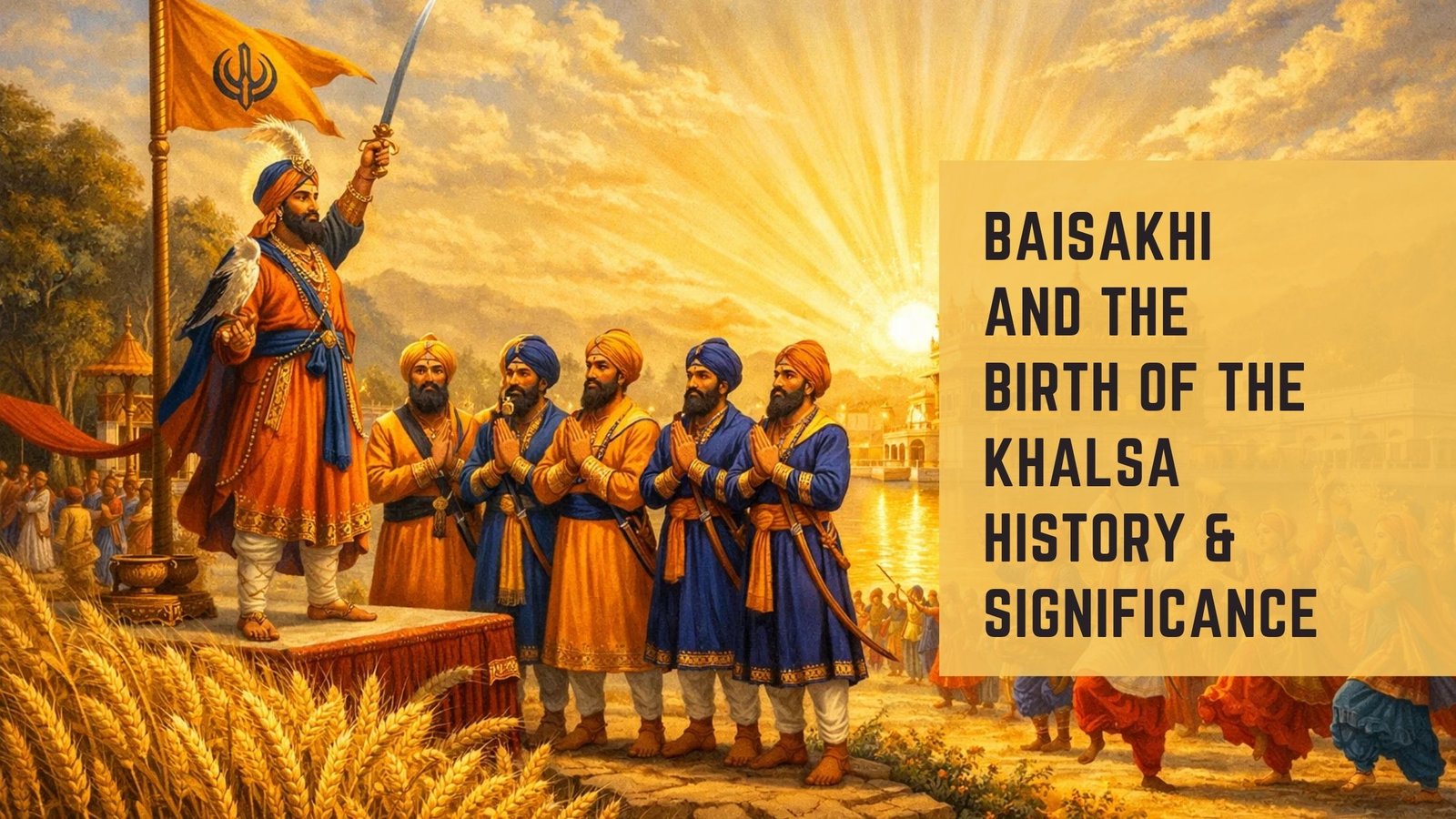
The most significant event associated with Baisakhi occurred in 1699 at Anandpur Sahib. On this historic day, Guru Gobind Singh Ji founded the Khalsa Panth, a community dedicated to justice, equality, and devotion.
He called for volunteers willing to sacrifice their lives for faith. Five brave men stepped forward—known as the Panj Pyare (Five Beloved Ones). Guru Gobind Singh Ji baptized them with Amrit and established the Khalsa, giving Sikhs a distinct identity rooted in courage and spirituality.
The Five Beloved Ones (Panj Pyare)
- Bhai Daya Singh Ji
- Bhai Dharam Singh Ji
- Bhai Himmat Singh Ji
- Bhai Mohkam Singh Ji
- Bhai Sahib Singh Ji
This historic moment reshaped Sikhism and inspired generations to stand for truth and righteousness.
Baisakhi as a Harvest Festival
For farmers in Punjab, Baisakhi marks the time when wheat crops ripen, symbolizing prosperity and abundance. It is a day of thanksgiving to God for a bountiful harvest.
Celebrations Include:
- Traditional folk dances like Bhangra and Gidda
- Community feasts and fairs
- Singing of folk songs
- Wearing vibrant Punjabi attire
- Visiting gurdwaras for prayers and langar
The festival beautifully blends spirituality with agrarian joy.
Religious Significance
Baisakhi holds deep spiritual importance in Sikhism. Devotees express gratitude through prayer, service, and remembrance of Guru Gobind Singh Ji’s teachings.
Sacred Rituals Observed:
- Early morning baths in holy rivers
- Akhand Path (continuous recitation of Guru Granth Sahib)
- Nagar Kirtans (religious processions)
- Kirtan and Ardas
- Langar (community kitchen)
Quote:
“Recognize the entire human race as one.”
— Guru Gobind Singh Ji
This message reflects the universal values of equality and unity.
How Baisakhi is Celebrated Across India and the World
In Punjab
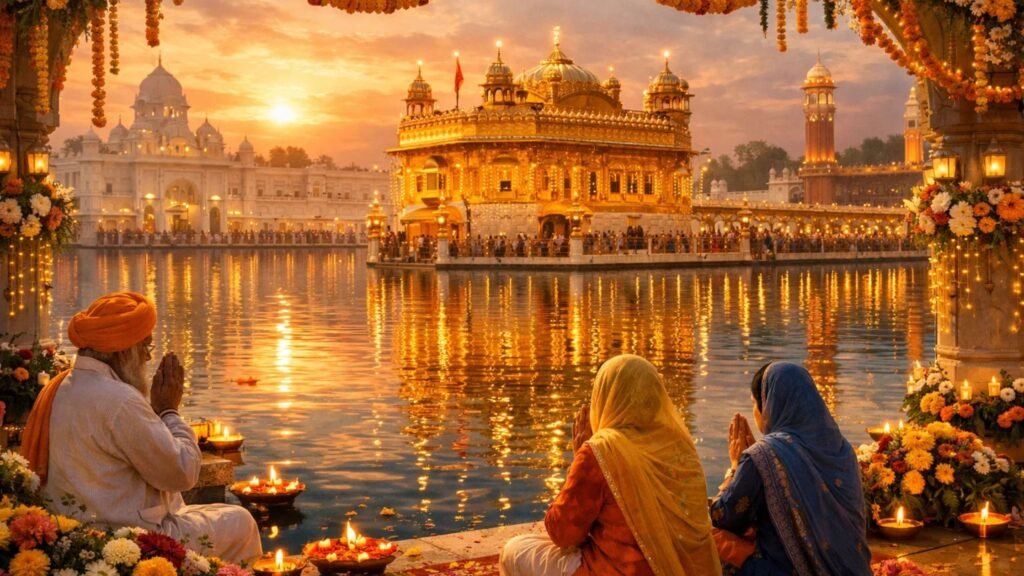
- Devotees gather at the Golden Temple in Amritsar.
- Cultural fairs and processions fill the streets with joy.
Across India
- Known as Pohela Boishakh in West Bengal.
- Celebrated as Vishu in Kerala and Puthandu in Tamil Nadu.
- Observed as Bohag Bihu in Assam.
Around the World
- Celebrated with grandeur in Canada, the United Kingdom, and the United States by Sikh communities.
Spiritual Lessons
1. Courage and Sacrifice
The Khalsa symbolizes fearless devotion to righteousness.
2. Equality and Brotherhood
Baisakhi promotes the idea that all humans are equal.
3. Faith and Devotion
It inspires individuals to walk the path of truth.
4. Gratitude and Prosperity
The harvest season reminds us to thank the Divine.
5. Service to Humanity
Langar teaches humility and selfless service.
Inspirational Quotes
| Quote | Meaning |
|---|---|
| “Waheguru Ji Ka Khalsa, Waheguru Ji Ki Fateh.” | The Khalsa belongs to God, and victory belongs to God. |
| “Deh Shiva Bar Mohe Ihe.” | A prayer for courage and righteousness. |
| “The Khalsa shall rule, and tyranny shall cease.” | Symbolizes justice and divine truth. |
| “Where there is righteousness in the heart, there is beauty in the character.” | Encourages moral living. |
| “Let us thank the Almighty for the blessings of harvest.” | Promotes gratitude and abundance. |
Traditions of Baisakhi at a Glance
| Aspect | Significance |
|---|---|
| Festival Type | Religious and Harvest Festival |
| Religion | Sikhism and Hinduism |
| Founded | 1699 by Guru Gobind Singh Ji |
| Historic Location | Anandpur Sahib |
| Key Rituals | Nagar Kirtan, Langar, Kirtan |
| Cultural Activities | Bhangra and Gidda |
| Symbolism | Courage, Prosperity, Unity |
| Celebrated In | India and Worldwide |
Why Baisakhi Remains Relevant Today
Modern Relevance
- Promotes unity in a diverse world.
- Inspires individuals to stand against injustice.
- Encourages gratitude and sustainable living.
- Strengthens cultural identity and heritage.
- Highlights the importance of community service.
In today’s fast-paced world, Baisakhi reminds us to reconnect with our roots and values.
Life Lessons
- Stand fearlessly for truth and justice.
- Practice equality and compassion.
- Express gratitude for life’s blessings.
- Embrace discipline and righteousness.
- Serve humanity selflessly.
- Preserve cultural and spiritual traditions.
- Believe in unity and universal brotherhood.
Cultural Harmony and Community Bonding
One of the most beautiful aspects of this vibrant spring festival is its ability to bring people together. Families, friends, and communities unite to celebrate joy, gratitude, and shared heritage. Villages and cities alike resonate with music, laughter, and colorful attire. The spirit of togetherness is reflected in communal prayers, festive fairs, and cultural performances, fostering unity and strengthening social bonds across generations.
A Celebration of Gratitude and Abundance
This auspicious occasion symbolizes gratitude for nature’s blessings and the fruits of hard work. For farmers, it marks the successful harvesting of wheat crops, representing prosperity and hope for the coming year. It reminds humanity to appreciate the rhythm of nature and acknowledge divine grace. The festival inspires a sense of thankfulness, encouraging people to celebrate life with humility and contentment.
The Spirit of Service and Selflessness
A defining feature of the celebrations is the practice of selfless service, known as Seva. Devotees participate in preparing and distributing langar, ensuring that everyone—regardless of caste, creed, or status—receives a meal with dignity. This tradition reinforces the ideals of equality, compassion, and generosity. It serves as a powerful reminder that true spirituality lies in serving humanity with love and humility.
Global Recognition and Modern Relevance
Over time, the festival has transcended geographical boundaries, gaining recognition worldwide. Sikh communities across countries such as Canada, the United Kingdom, and the United States celebrate it with grand processions and cultural events. In the modern era, it continues to inspire values of courage, inclusivity, and resilience. Its timeless message encourages individuals to uphold justice, embrace diversity, and remain rooted in their cultural identity.
FAQs
What is Baisakhi?
Baisakhi is a harvest festival celebrated primarily in Punjab, marking the formation of the Khalsa and the Punjabi New Year.
When is Baisakhi celebrated?
It is observed annually on April 13 or April 14.
Why is Baisakhi important in Sikhism?
It commemorates the founding of the Khalsa by Guru Gobind Singh Ji in 1699.
What is the significance of the Khalsa?
The Khalsa represents purity, courage, and commitment to righteousness.
How is Baisakhi celebrated?
Through prayers, processions, cultural dances, feasts, and acts of charity.
Conclusion
Baisakhi is not merely a festival it is a timeless celebration of courage, spirituality, gratitude, and unity. It commemorates the birth of the Khalsa, honors the dedication of farmers, and inspires humanity to uphold justice and righteousness.
As we celebrate this auspicious occasion, let us embrace its divine teachings and strive to live with integrity, compassion, and unwavering faith.
“May the spirit of Baisakhi fill your heart with joy, prosperity, and divine blessings.”
Discover timeless wisdom and spiritual insights at thegita.in where tradition meets enlightenment.