
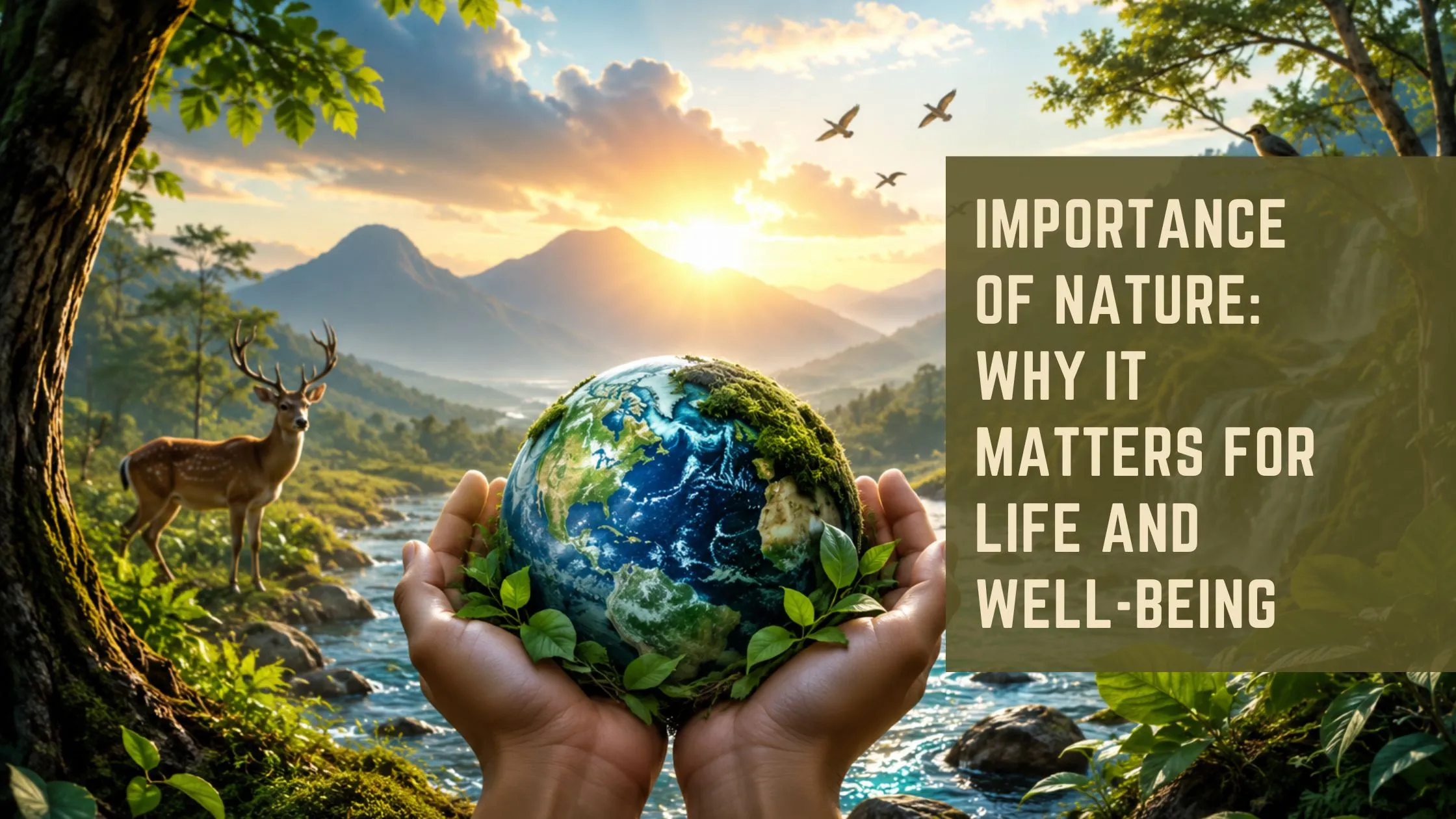
The importance of nature lies in its ability to sustain all life on Earth. Nature provides clean air, fresh water, food, medicine, and a stable climate while supporting physical, mental, and emotional well-being. It also inspires creativity, teaches valuable life lessons, and reminds us of our responsibility to protect the environment for future generations.
Table of Contents
- Key Takeaways
- Why Is the Importance of Nature So Great?
- Benefits of Nature for Human Life
- Importance of Nature for Mental Health
- Importance of Nature for the Environment
- Importance of Nature in Daily Life
- Life Lessons We Learn from Nature
- How to Protect Nature
- Importance of Nature for Future Generations
- Nature and Spiritual Well-Being
- Why Children Should Learn the Importance of Nature
- Simple Ways to Connect with Nature Every Day
- Frequently Asked Questions
- Conclusion
Key Takeaways
- Nature is essential for life on Earth.
- The importance of nature extends to health, food, water, climate, and biodiversity.
- Spending time outdoors improves physical and mental well-being.
- Healthy ecosystems support sustainable development.
- Every individual can help protect nature through simple daily actions.
- Teaching children environmental values creates a better future.
- Conserving nature benefits both humanity and wildlife.
- Respecting nature is a shared responsibility.
Take a deep breath while standing beneath a tree or listening to birdsong. That sense of calm isn't just a pleasant feeling it's a reminder of how deeply connected we are to the natural world.
The importance of nature extends far beyond beautiful landscapes. Nature is the foundation of human existence, supplying the essential resources that make life possible while nurturing our minds, bodies, and spirits. From the oxygen we breathe to the food we eat, every aspect of our lives depends on healthy ecosystems.
Yet, despite our dependence on nature, pollution, deforestation, climate change, and habitat destruction continue to threaten the balance of our planet. Understanding the importance of nature helps us appreciate its value and encourages us to protect it.
This guide explores why nature is essential, its benefits, the lessons it teaches, and practical ways everyone can contribute to preserving it.
Why Is the Importance of Nature So Great?
Nature is not simply the scenery around us. It is a living system that supports every organism on Earth.
The importance of nature can be understood through its role in:
- Producing oxygen
- Regulating climate
- Purifying water
- Supporting biodiversity
- Growing food
- Providing medicines
- Maintaining healthy ecosystems
- Improving mental well-being
Without nature, human civilization would not exist.

Benefits of Nature for Human Life
1. Nature Provides Clean Air
Plants and forests absorb carbon dioxide and release oxygen through photosynthesis.
Healthy forests:
- Improve air quality
- Reduce pollution
- Lower temperatures
- Support healthier communities
This is one of the greatest examples of the importance of nature in everyday life.
2. Nature Gives Us Fresh Water
Rivers, lakes, glaciers, wetlands, and forests naturally filter and store freshwater.
Natural ecosystems help:
- Recharge groundwater
- Prevent droughts
- Reduce flooding
- Supply drinking water
Protecting these ecosystems ensures future generations have access to clean water.
3. Nature Provides Food
Every meal begins with nature.
Agriculture depends on:
- Fertile soil
- Pollinating insects
- Rainfall
- Healthy ecosystems
Without biodiversity, food production would decline dramatically.
4. Nature Supports Good Health
Modern research consistently shows spending time outdoors benefits physical and mental health.
Nature helps:
- Reduce stress
- Lower blood pressure
- Improve concentration
- Strengthen immunity
- Encourage exercise
- Improve sleep quality
This highlights another vital aspect of the importance of nature.
Importance of Nature for Mental Health
Nature Reduces Stress
Walking in parks or forests lowers stress hormones and promotes relaxation.
Even a short walk outdoors can:
- Improve mood
- Reduce anxiety
- Increase happiness
Nature Improves Focus
Children and adults often experience better concentration after spending time in green spaces.
Benefits include:
- Better memory
- Increased productivity
- Reduced mental fatigue
Nature Encourages Mindfulness
Natural surroundings help us slow down and appreciate the present moment.
Activities include:
- Hiking
- Gardening
- Bird watching
- Forest walks
- Meditation outdoors
Importance of Nature for the Environment
Healthy ecosystems maintain Earth's balance.
Climate Regulation
Forests absorb billions of tons of carbon dioxide every year.
They help:
- Reduce global warming
- Regulate rainfall
- Maintain temperature balance
Biodiversity Protection
Nature supports millions of species.
Biodiversity ensures:
- Healthy ecosystems
- Food security
- Pollination
- Disease resistance
Every species plays an important role.
Soil Conservation
Trees and vegetation prevent:
- Soil erosion
- Desertification
- Flood damage
Healthy soil is essential for agriculture.
Importance of Nature in Daily Life
Many people overlook how deeply nature supports everyday living.
Examples include:
| Natural Resource | Daily Benefit |
|---|---|
| Trees | Oxygen and shade |
| Rivers | Drinking water |
| Bees | Crop pollination |
| Forests | Medicines and timber |
| Oceans | Food and climate regulation |
| Soil | Agriculture |
| Plants | Medicine and nutrition |
These examples clearly demonstrate the importance of nature in sustaining life.
Life Lessons We Learn from Nature
Nature is one of the greatest teachers.
Patience
Trees take years to grow.
Success also requires consistent effort.
Balance
Every ecosystem depends on balance.
Likewise, a balanced lifestyle improves physical and emotional health.
Adaptability
Plants survive changing seasons.
Humans also thrive by adapting to life's challenges.
Resilience
After storms, forests recover.
Nature reminds us that setbacks are temporary.
Simplicity
Nature flourishes without unnecessary complexity.
Living simply often leads to greater peace and happiness.
Threats to Nature
Despite its immense value, nature faces many challenges.
Major threats include:
- Climate change
- Deforestation
- Air pollution
- Water pollution
- Plastic waste
- Habitat destruction
- Illegal wildlife trade
- Overconsumption
Understanding the importance of nature encourages responsible action.
How to Protect Nature
Everyone can contribute.
At Home
- Save electricity
- Reduce water waste
- Recycle materials
- Compost organic waste
- Plant trees
In Your Community
- Join clean-up drives
- Support conservation projects
- Promote sustainable living
- Protect local biodiversity
Everyday Habits
- Carry reusable bags
- Avoid single-use plastics
- Walk or cycle when possible
- Choose eco-friendly products
- Respect wildlife
Small actions create meaningful change.
Importance of Nature for Future Generations
Protecting nature today ensures tomorrow's children inherit:
- Clean air
- Safe drinking water
- Healthy forests
- Rich biodiversity
- Stable climate
- Productive farmland
Environmental conservation is an investment in humanity's future.
Nature and Spiritual Well-Being
Across cultures and traditions, nature has always been regarded as sacred. Mountains, rivers, forests, and the sky inspire reflection, gratitude, and inner peace.
Spending time in nature can:
- Deepen mindfulness
- Strengthen gratitude
- Reduce emotional stress
- Foster a sense of connection with all living beings
Many spiritual teachings remind us that caring for nature is also a way of caring for ourselves.
Why Children Should Learn the Importance of Nature
Teaching children about nature from an early age helps them:
- Develop environmental responsibility
- Appreciate biodiversity
- Build healthier lifestyles
- Improve creativity through outdoor play
- Understand sustainable living
Schools and families play a vital role in nurturing respect for the environment.
Simple Ways to Connect with Nature Every Day
If you live in a city, you can still enjoy nature by:
- Taking a morning walk in a park.
- Growing indoor or balcony plants.
- Watching the sunrise or sunset.
- Visiting local gardens or nature trails.
- Listening to birds instead of using headphones all the time.
- Practicing meditation outdoors.
- Spending less time on screens and more time outside.
These small habits remind us daily of the importance of nature.
Frequently Asked Questions
1. What is the importance of nature?
Nature provides clean air, water, food, medicine, biodiversity, and climate regulation while supporting physical, mental, and emotional well-being.
2. Why is nature important for human health?
Nature reduces stress, improves mood, encourages physical activity, enhances concentration, and contributes to overall wellness.
3. How does nature help the environment?
Nature regulates the climate, protects biodiversity, prevents soil erosion, purifies water, and maintains ecological balance.
4. Why should we protect nature?
Protecting nature ensures clean resources, safeguards wildlife, supports agriculture, and preserves the planet for future generations.
5. What are the biggest threats to nature?
Climate change, pollution, deforestation, habitat destruction, plastic waste, and overuse of natural resources are among the greatest threats.
6. How can students help protect nature?
Students can plant trees, reduce waste, recycle, conserve water, avoid littering, and spread awareness about environmental conservation.
Conclusion
The importance of nature cannot be overstated. It is the source of life, health, inspiration, and sustainability. Every breath we take, every meal we eat, and every drop of clean water we drink is a gift from the natural world. By understanding the importance of nature, we become more aware of our role in protecting forests, rivers, wildlife, and ecosystems. Small, consistent actions from planting trees to reducing waste can create a lasting positive impact for future generations.
Explore more insightful articles on environmental awareness, life lessons, and mindful living at TheGita.in, where timeless wisdom meets practical guidance for modern life.