What if everything you see, feel, and experience is just a fraction of a deeper, infinite reality? What if the truth you are searching for is not outside—but within you?
Brahman Yoga is not just a philosophy—it is a journey toward realizing the ultimate truth of existence. Rooted deeply in the wisdom of the Bhagavad Gita and Upanishads, Brahman Yoga teaches that the essence of the universe and the essence of your soul are one.
This blog will take you through every aspect of Brahman Yoga—its meaning, principles, practices, life lessons, and deep spiritual insights—helping you understand not just the concept, but how to live it.
Table of Contents
Key Takeaways
- Brahman Yoga is the path of realizing the ultimate reality (Brahman).
- It emphasizes unity between Atman (self) and Brahman (universal consciousness).
- Rooted in Advaita Vedanta (non-duality philosophy).
- It teaches detachment, awareness, and self-realization.
- The ultimate goal is liberation (Moksha).
What is Brahman Yoga?
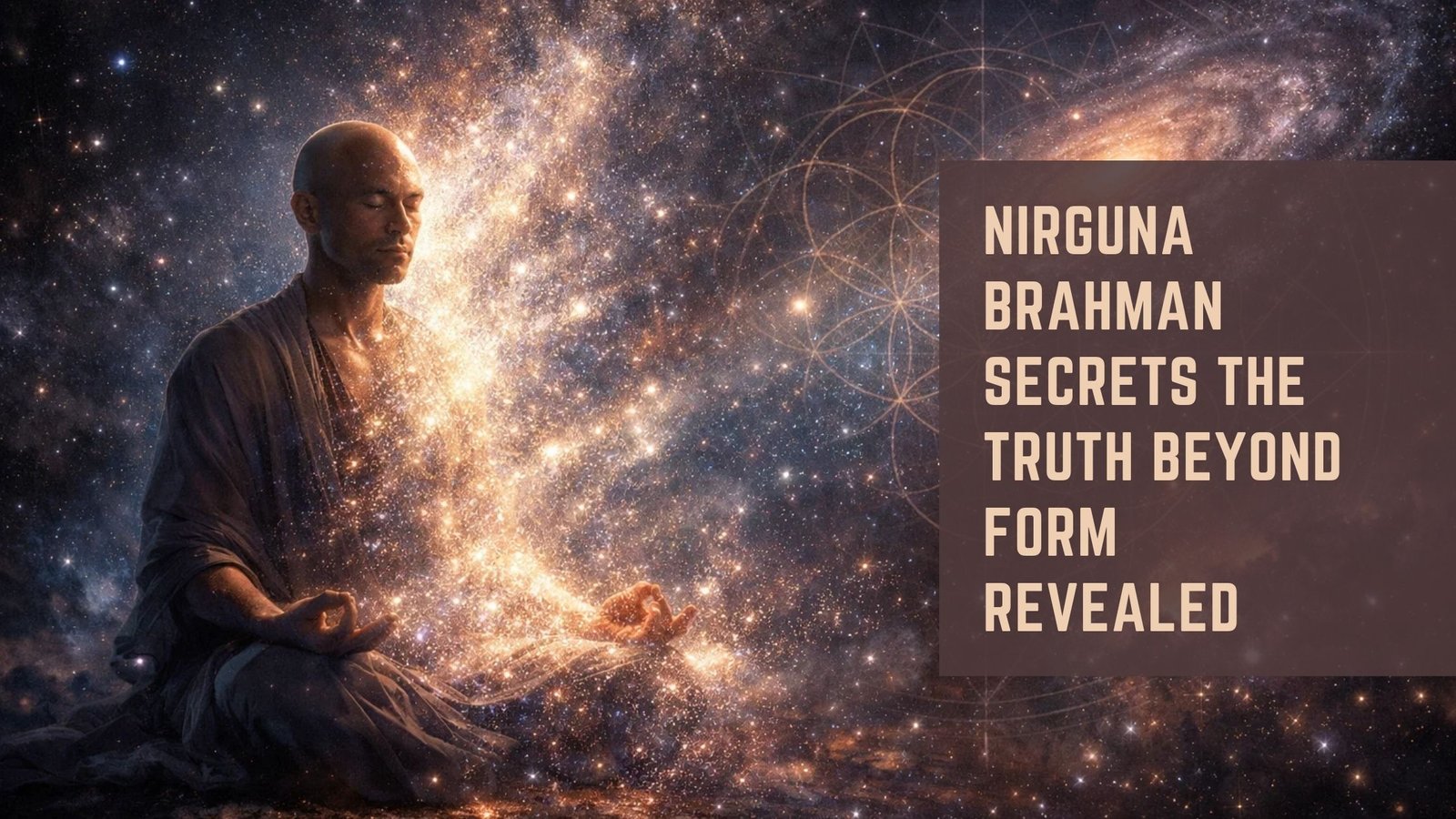
Yoga refers to the spiritual path that leads to the realization of Brahman—the infinite, formless, eternal reality that exists beyond time, space, and causation.
In simple terms:
- Brahman = Ultimate Reality
- Yoga = Union
So, Yoga means union with the ultimate reality.
Definition
Yoga is the discipline of understanding and experiencing that:
“The individual soul (Atman) and the universal soul (Brahman) are one.”
Quote Table Wisdom on Yoga
| Language | Quote | Meaning |
|---|---|---|
| Sanskrit | “अहं ब्रह्मास्मि” | I am Brahman |
| Hindi | “जो स्वयं को जानता है, वही परम सत्य को जानता है।” | Self-realization leads to ultimate truth |
| English | “You are not a drop in the ocean, you are the entire ocean in a drop.” | You are infinite |
| Punjabi | “ਜੋ ਅੰਦਰ ਵੇਖਦਾ ਹੈ, ਉਹੀ ਸੱਚ ਨੂੰ ਪਾਂਦਾ ਹੈ।” | Truth lies within |
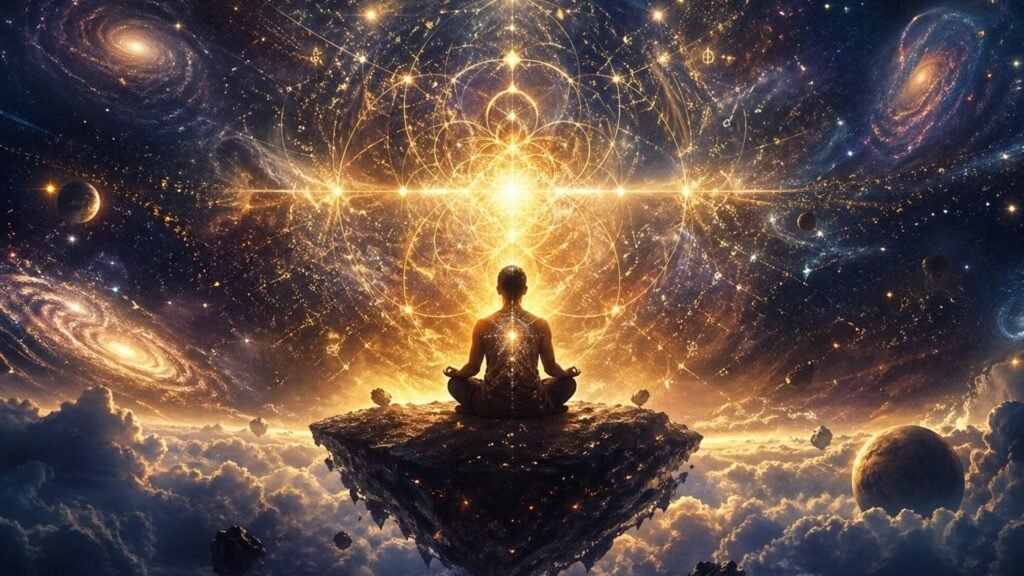
Philosophy Behind Yoga
Yoga is deeply connected to Advaita Vedanta, which teaches non-duality.
Core Principles
1. Non-Duality (Advaita)
There is no separation between you and the universe.
2. Maya (Illusion)
The world we perceive is temporary and illusory.
3. Atman = Brahman
Your inner self is not different from the ultimate reality.
4. Self-Realization
True knowledge comes from within, not external sources.
Powerful Quote
“Tat Tvam Asi” (That Thou Art)
This means you are already what you are seeking.
Yoga in the Bhagavad Gita
The Bhagavad Gita explains Yoga as the path of:
- Knowledge (Jnana)
- Detachment (Vairagya)
- Devotion (Bhakti)
Lord Krishna teaches that:
- The soul is eternal
- The body is temporary
- Real wisdom is seeing beyond illusions
Key Teaching
“The wise see the same truth in all beings.”
This is the essence of Yoga—unity in diversity.
Practices of Brahman Yoga
Brahman Yoga is not just theory—it is a way of living.
1. Self-Inquiry (Atma Vichara)
Ask yourself:
- Who am I?
- What is my true nature?
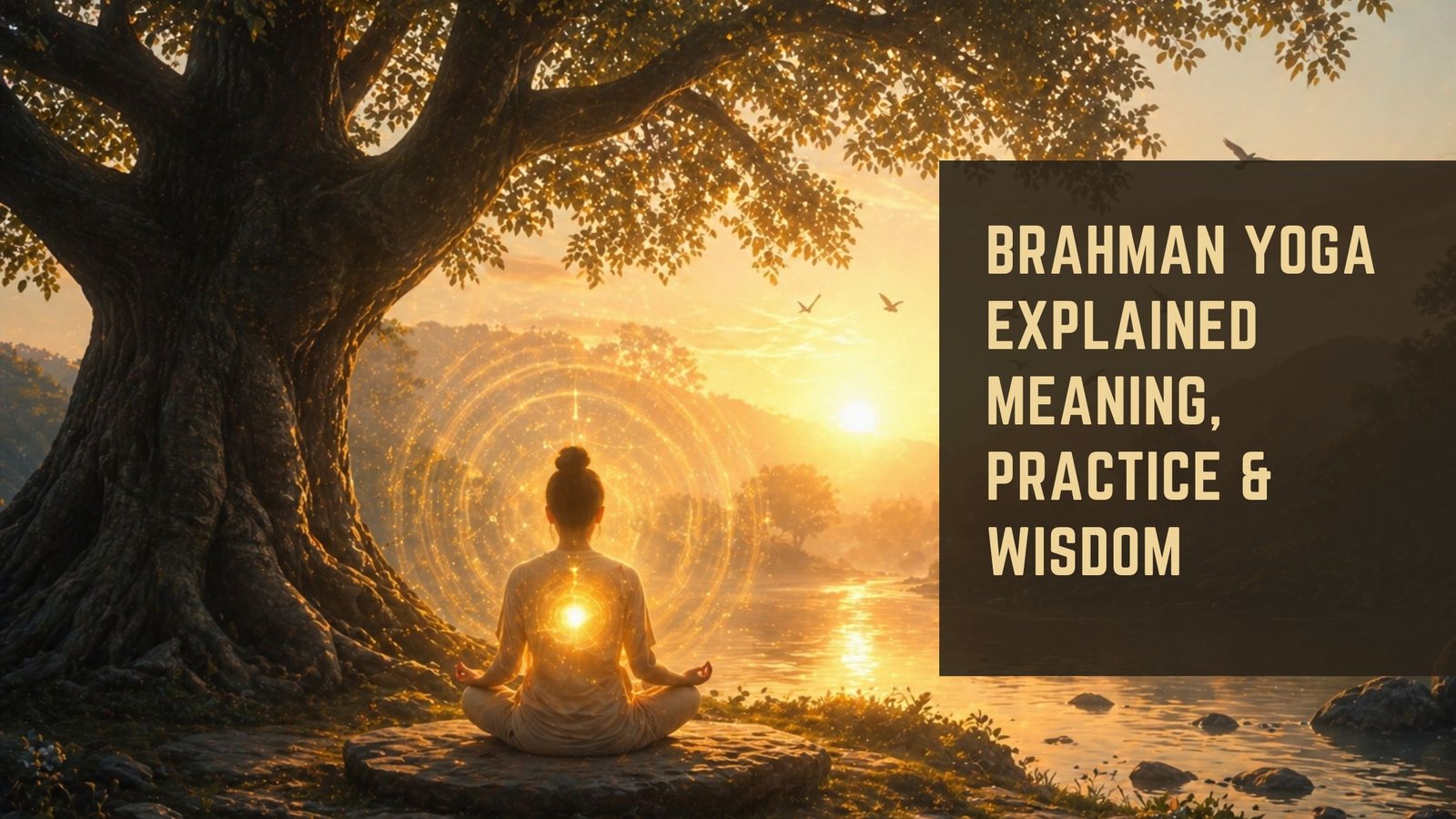
2. Meditation
- Focus on inner silence
- Observe thoughts without attachment
3. Detachment
- Let go of ego, desires, and material attachment
4. Awareness
- Stay present
- Observe reality as it is
5. Study of Scriptures
Reading texts like the Upanishads deepens understanding.
Life Lessons from Brahman Yoga
1. You Are Not Your Mind
Thoughts are temporary—your true self is beyond them.
2. Happiness is Within
External pleasures are temporary; inner peace is permanent.
3. Ego is the Biggest Illusion
The “I” you identify with is not your real identity.
4. Everything is Connected
There is no separation in existence.
5. Acceptance Brings Freedom
Resisting reality creates suffering.
Inspirational Quotes
Hindi
“जो भीतर स्थिर है, वही बाहर अडिग है।”
English
“Peace comes when you realize nothing is separate from you.”
Punjabi
“ਸੱਚ ਦੀ ਖੋਜ ਬਾਹਰ ਨਹੀਂ, ਅੰਦਰ ਹੈ।”
Brahman vs Atman (Important Understanding)
| Aspect | Brahman | Atman |
|---|---|---|
| Meaning | Universal reality | Individual soul |
| Nature | Infinite | Inner self |
| Difference | No real difference | Same as Brahman |
Key Insight
Atman is Brahman—this realization is liberation.
Stages of Brahman Yoga
1. Ignorance (Avidya)
Believing you are only the body and mind.
2. Inquiry
Questioning reality and existence.
3. Understanding
Learning spiritual truths.
4. Experience
Direct realization of Brahman.
5. Liberation (Moksha)
Freedom from suffering and rebirth.
Benefits of Practicing Brahman Yoga
- Inner peace and clarity
- Freedom from fear and anxiety
- Deep understanding of life
- Emotional balance
- Spiritual awakening
Modern Relevance of Brahman Yoga
In today’s fast-paced world:
- Stress is high
- Distractions are endless
- Identity is confused
Brahman Yoga offers:
- Stillness in chaos
- Clarity in confusion
- Truth in illusion
Real-Life Application
- Stay calm in difficult situations
- Avoid overthinking
- Focus on awareness instead of reaction
- Practice mindfulness daily
Common Misconceptions
Brahman is a God with form
Brahman is formless and infinite
Brahman Yoga is only for monks
Anyone can practice it
It requires renouncing life
It requires understanding life
Deep Spiritual Insight
Brahman Yoga is not about becoming something new.
It is about realizing:
You were never separate from the truth.
Inner Silence The Gateway to Brahman
In the journey of Brahman Yoga, silence is not merely the absence of noise—it is the presence of truth. When the mind stops chasing thoughts, desires, and fears, a deeper awareness begins to emerge. This inner silence becomes the doorway through which one experiences Brahman. The sages of the Upanishads repeatedly emphasized that truth is not found in external noise but in the stillness of consciousness. Practicing moments of silence daily—through meditation or mindful awareness—gradually dissolves mental clutter and reveals the eternal presence within.
Detachment Freedom from Illusion
Brahman Yoga teaches that attachment is the root of suffering. Not because relationships or possessions are wrong, but because identifying them as your true self creates illusion. Detachment (Vairagya) does not mean abandoning life—it means engaging fully without losing inner balance. As taught in the Bhagavad Gita, one should act without attachment to results. This mindset frees the soul from anxiety, fear, and disappointment, allowing a person to live with clarity and peace while staying connected to the deeper truth of existence.
Living Brahman Yoga in Daily Life
Brahman Yoga is not limited to meditation rooms or spiritual texts it is meant to be lived in everyday moments. Whether you are working, interacting, or resting, the awareness that everything is interconnected transforms ordinary life into a spiritual practice. Simple habits like mindful breathing, observing thoughts without judgment, and practicing gratitude can align you with Brahman consciousness. Over time, this awareness dissolves the illusion of separation, helping you experience unity, compassion, and inner fulfillment in every aspect of life.
FAQs
What is Brahman Yoga in simple words?
Brahman Yoga is the path of realizing that your true self is one with the ultimate reality.
Is Brahman the same as God?
Brahman is beyond form and attributes—it is the essence behind all forms of God.
Can anyone practice Brahman Yoga?
Yes, it is a universal path open to all seekers.
How long does it take to realize Brahman?
It depends on awareness, practice, and inner readiness.
Is meditation necessary?
Yes, meditation helps quiet the mind and realize the truth.
Conclusion
Brahman Yoga is not just a spiritual concept—it is the ultimate realization of life itself. It teaches that everything you seek—peace, happiness, truth—is already within you.
The journey is not about reaching somewhere new, but about removing the illusion of separation.
In the end, Brahman Yoga reveals the most powerful truth:
You are not a part of the universe—you are the universe itself.
Explore deeper spiritual wisdom and timeless teachings on TheGita your path to self-realization and inner peace.