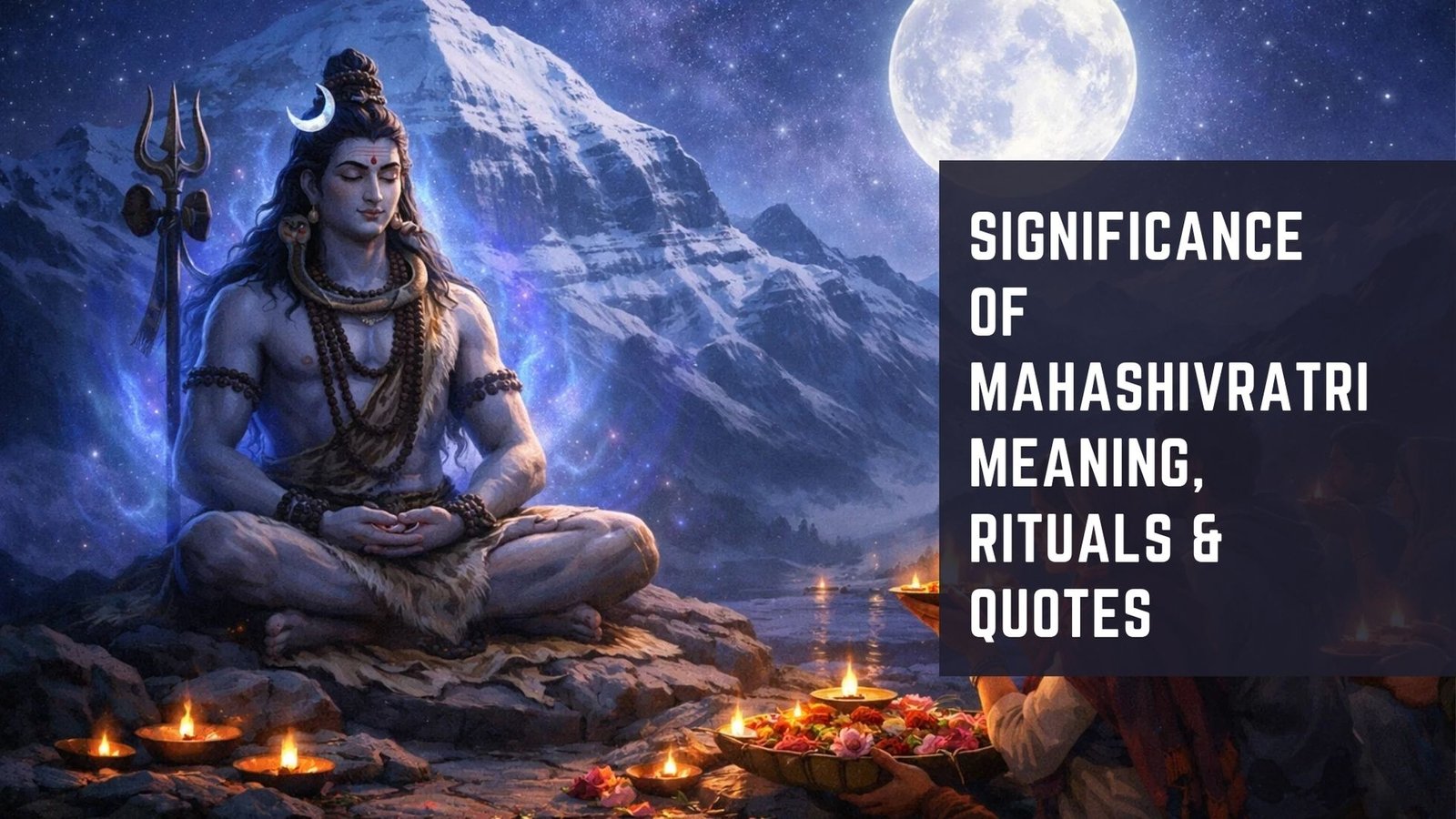
The significance of Mahashivratri goes far beyond a single night of fasting and rituals it is a sacred doorway into silence, surrender, and self-realization. Celebrated on the darkest night of the lunar month, Mahashivratri invites the seeker to move inward, from noise to stillness, from ego to awakening. While millions chant “Om Namah Shivaya,” few truly understand the deeper spiritual meaning hidden behind this divine night. Why is Lord Shiva worshipped through a formless Shivling? Why do devotees stay awake all night? Why is this night called the Night of Awakening?
This in-depth guide uncovers the true significance of Mahashivratri, blending ancient wisdom, powerful quotes, rituals, fasting science, mythological stories, and modern life lessons so you don’t just celebrate Mahashivratri, you experience it.
Table of Contents
Key Takeaways
- Mahashivratri symbolizes inner awakening and ego dissolution
- The Shivling represents formless consciousness
- Fasting purifies both body and mind
- Night-long meditation aligns mind with cosmic rhythm
- Mahashivratri teaches detachment, discipline, and surrender
- Shiva is not just a god, but a state of consciousness
What Is Mahashivratri?
Mahashivratri means “The Great Night of Shiva.” Unlike other Hindu festivals that celebrate light, joy, and external festivities, Mahashivratri is about stillness, inner silence, and spiritual discipline.
Spiritually, Shiva represents pure consciousness the observer behind thoughts, emotions, and identity. The significance of Mahashivratri lies in aligning human awareness with this supreme consciousness.
“शिव वह नहीं जो पूजे जाएं, शिव वह है जो भीतर जाग जाए।”
Shiva is not the one you worship outside, Shiva is the one you awaken within.
The Deeper Significance of Mahashivratri in Hindu Philosophy
The significance of Mahashivratri in Hinduism rests on three sacred interpretations
The Night of Cosmic Union
Mahashivratri marks the divine union of Shiva and Shakti, symbolizing balance between masculine and feminine energies, stillness and movement, consciousness and creation.
The Night of Transformation
Shiva drank poison during the churning of the ocean to save the cosmos teaching sacrifice for universal welfare.
The Night of Inner Awakening
The planetary positions on Mahashivratri naturally support meditation, making it ideal for self-realization.
“In stillness, Shiva speaks.”
Symbolism of Shivling
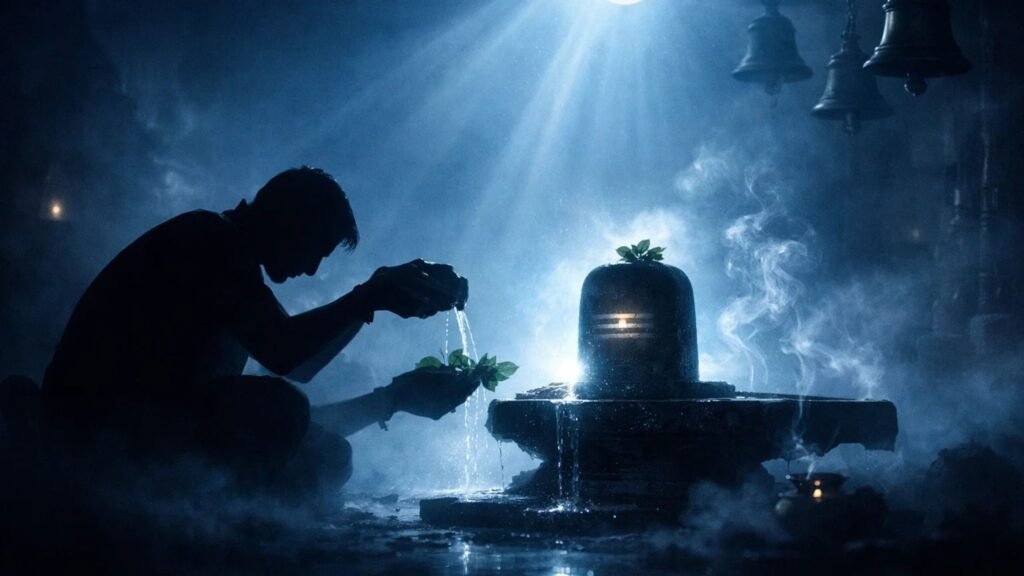
The Shivling represents infinite consciousness without form. It reminds seekers that God is not limited to images, names, or rituals.
Spiritual Meaning of Shivling:
- Oval shape = cosmic womb of creation
- Base (Yoni) = Shakti (energy)
- Lingam = Shiva (awareness)
“The Shivling is not an object of worship, but a mirror of existence.”
Why Fasting on Mahashivratri Has Spiritual & Scientific Value
Fasting on Mahashivratri is not punishment it is discipline for clarity.
Benefits of Fasting:
- Detoxifies the body
- Reduces sensory distractions
- Enhances meditation depth
- Builds mental control
- Creates humility
“When the body becomes light, the soul rises.”
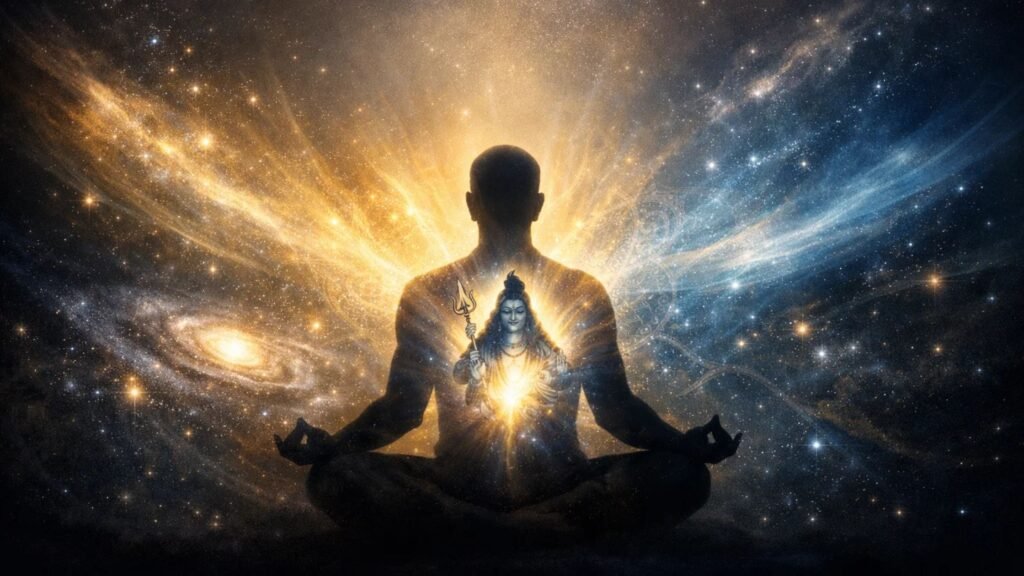
Night-Long Vigil Why Staying Awake Matters
Staying awake symbolizes conscious awareness over unconscious living.
Night represents ignorance; staying awake represents awakening from ignorance.
Spiritual Meaning:
- Night = darkness of ego
- Vigil = alertness of soul
- Meditation = union with truth
“Awake in the darkest night, and you will find your inner sun.”
Mythological Stories Behind Mahashivratri
- Shiva–Parvati Marriage: Union of soul and nature
- Neelkanth Story: Shiva swallowing poison teaches sacrifice
- Hunter’s Redemption Story: Even unintentional devotion brings grace
These stories reveal the compassionate nature of Shiva, who blesses even imperfect seekers.
Shiva’s Wisdom Across Languages
| Language | Quote | Meaning |
|---|---|---|
| Hindi | “शिव भीतर है, बाहर नहीं।” | Shiva resides within |
| English | “Silence is the language of Shiva.” | Inner stillness reveals truth |
| Sanskrit | “शिवोऽहम्” | I am Shiva (pure awareness) |
| Punjabi | “ਸ਼ਿਵ ਅੰਦਰ ਵੱਸਦਾ ਹੈ।” | Shiva lives within you |
11 Powerful Reasons That Reveal the True Significance of Mahashivratri
Awakening of Inner Consciousness
Mahashivratri is the night when spiritual energy naturally rises.
Letting Go of Ego
Shiva represents destruction of pride and false identity.
Balance of Life Energies
Shiva = stillness, Shakti = movement → harmony of life.
Path of Renunciation
Teaches detachment from desires and attachments.
Spiritual Discipline
Fasting and meditation build inner strength.
Compassion & Sacrifice
Shiva drank poison to save creation.
Detachment from Materialism
Mahashivratri reminds that peace is not external.
Freedom from Fear
Shiva is fearless awareness.
Power of Mantra
“Om Namah Shivaya” purifies thoughts.
Spiritual Renewal
A chance to reset the inner self.
Liberation from Suffering
Understanding Shiva is freedom from illusion.
Modern Relevance of Mahashivratri
The significance of Mahashivratri is even more relevant today:
- Reduces stress
- Encourages mindfulness
- Teaches emotional control
- Promotes simplicity
- Strengthens inner stability
“In a noisy world, Shiva teaches silence.”
Life Lessons from Mahashivratri
- Stillness is strength
- Silence is power
- Detachment brings peace
- Surrender dissolves fear
- Awareness ends suffering
The Inner Meaning of the Night of Shiva
The deeper significance of Mahashivratri lies in understanding Shiva not as a distant deity, but as the silent awareness within every being. This sacred night symbolizes the return to one’s original nature—calm, unattached, and free from inner chaos. When the mind becomes still through fasting, meditation, and mantra chanting, the essence of Shiva is experienced as clarity, peace, and inner stability. Mahashivratri gently reminds us that true divinity is not found outside in rituals alone, but within the quiet space of consciousness.
What Mahashivratri Teaches for Daily Living
The significance of Mahashivratri is deeply practical for modern life. Shiva’s way of living teaches simplicity in a world of excess, balance in a life of extremes, and inner strength in moments of weakness. By observing Mahashivratri with awareness, one learns to pause before reacting, to observe emotions without becoming them, and to detach from outcomes while remaining committed to action. These lessons help transform stress into stability and confusion into clarity, making Mahashivratri not just a festival, but a guide for everyday wisdom.
Why Mahashivratri Matters Today
In today’s fast-paced, hyper-connected world, the significance of Mahashivratri has become even more meaningful. This sacred night encourages digital detox, silence, and mindful living—practices that are rare yet essential for mental well-being. Staying awake in meditation represents choosing awareness over distraction. Fasting symbolizes reducing consumption, not just of food, but of negativity, overthinking, and emotional clutter. Mahashivratri thus becomes a spiritual reset button for the modern seeker overwhelmed by constant noise and pressure.
Understanding Shiva Through Sacred Lines
Ancient verses and mantras associated with Shiva reveal the philosophical depth behind the significance of Mahashivratri. The statement “शिवोऽहम्” (Shivo’ham) means “I am Shiva,” pointing toward the realization that the seeker and the sought are one. Another powerful mantra, “ॐ नमः शिवाय,” represents surrendering the ego to higher awareness. These sacred lines are not merely to be recited; they are meant to be contemplated, allowing their meaning to dissolve fear, attachment, and false identity. Through reflection on such verses, Mahashivratri becomes a doorway to self-realization rather than just ritual observance.
FAQs
Why is Mahashivratri celebrated at night?
Because night symbolizes ignorance and Shiva represents awakening.
Can non-religious people observe Mahashivratri?
Yes. Mahashivratri is about awareness, not ritual.
Is fasting mandatory?
No. Intention matters more than physical fasting.
What mantra is best on Mahashivratri?
“Om Namah Shivaya” is the most powerful mantra.
What is the true significance of Mahashivratri?
It represents awakening from ego to consciousness.
Conclusion
The true significance of Mahashivratri is not about how long you fast or how many rituals you perform it is about how deeply you awaken. Shiva is not merely a deity to worship; Shiva is a state of being silent, fearless, unattached, and aware.
When you observe Mahashivratri with understanding, you don’t just celebrate a festival you step closer to your highest self.
“When the mind becomes still, Shiva reveals Himself.”
Read more authentic Hindu philosophy & spiritual guides at thegita.in.