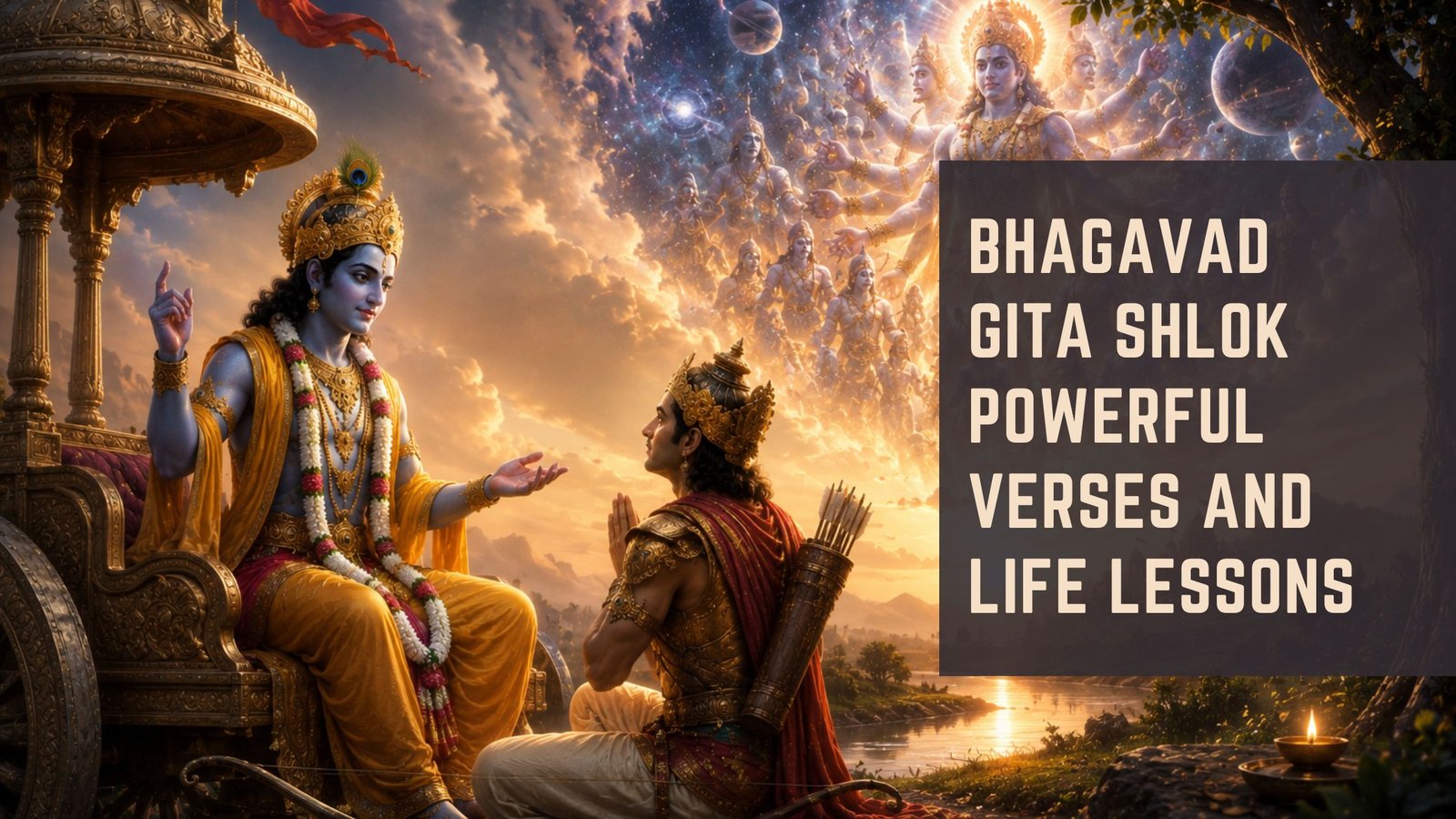
The Bhagavad Gita, often referred to simply as the Gita, stands as one of the most revered texts in Hindu philosophy and spirituality. Composed in the form of a dialogue between Prince Arjuna and Lord Krishna, who serves as his charioteer, the Gita is set against the backdrop of the Kurukshetra War. This ancient scripture, part of the Indian epic Mahabharata, delves into profound themes such as duty, righteousness, and the nature of reality.
It is not merely a religious text but a philosophical treatise that addresses the moral dilemmas faced by individuals in their lives. The Gita’s teachings transcend time and culture, offering insights that resonate with people across various walks of life. At its core, the Bhagavad Gita explores the concept of dharma, or duty, and the importance of adhering to one’s responsibilities while navigating the complexities of existence.
The dialogue unfolds as Arjuna grapples with his inner turmoil about fighting in a war against his own kin. His reluctance to engage in battle serves as a catalyst for Krishna’s teachings, which encompass a wide range of philosophical ideas, including yoga, devotion, and self-realization. The Gita’s enduring relevance lies in its ability to address the universal struggles of humanity, making it a timeless guide for those seeking clarity and purpose in their lives.
Key Takeaways
- The Bhagavad Gita is a sacred Hindu scripture that is part of the Indian epic Mahabharata, and it is a conversation between the prince Arjuna and the god Krishna.
- Arjuna is a skilled warrior who is filled with doubt and moral dilemma at the beginning of the Bhagavad Gita, and he represents the human struggle with duty and righteousness.
- Arjuna’s devotion to Krishna is evident in his willingness to seek guidance and surrender to Krishna’s wisdom and teachings, showing the importance of faith and trust in spiritual growth.
- Devotion is a central theme in the Bhagavad Gita, emphasizing the significance of unwavering dedication and love towards a higher power for achieving inner peace and enlightenment.
- Arjuna’s surrender to Krishna marks a turning point in the Bhagavad Gita, as he humbly accepts Krishna as his charioteer and guide, symbolizing the surrender of the ego to divine will.
The Character of Arjuna
Arjuna emerges as a multifaceted character within the narrative of the Bhagavad Gita. As a skilled warrior and one of the five Pandava brothers, he embodies the qualities of bravery and valor. However, beneath this exterior lies a profound sense of conflict and vulnerability.
Faced with the prospect of battling against his relatives, teachers, and friends on the battlefield, Arjuna experiences a deep moral crisis. His internal struggle reflects the human condition—caught between duty and personal ethics, he becomes a symbol of the existential dilemmas that many face in their lives. Arjuna’s character is not merely that of a warrior; he represents the seeker of truth.
His initial hesitation to fight reveals his sensitivity and compassion, qualities that are often overshadowed by societal expectations of masculinity and strength. This complexity makes him relatable to readers and audiences alike. As he stands on the precipice of war, Arjuna’s doubts and fears resonate with anyone who has ever faced a significant decision or moral quandary.
His journey from confusion to clarity serves as a powerful narrative arc that underscores the transformative potential of self-reflection and guidance.
Arjuna’s Devotion to Krishna

The relationship between Arjuna and Krishna is central to the teachings of the Bhagavad Gita. Arjuna’s devotion to Krishna transcends mere friendship; it embodies a deep spiritual connection that evolves throughout their dialogue. Initially, Arjuna views Krishna as his charioteer and friend, but as the conversation unfolds, he begins to recognize Krishna’s divine nature.
This realization marks a pivotal moment in Arjuna’s journey, as he shifts from seeing Krishna as an ally in battle to understanding him as an embodiment of divine wisdom. Krishna’s role as a guide is crucial in helping Arjuna navigate his moral dilemmas. Through their interactions, Arjuna learns to surrender his ego and embrace a higher purpose.
This devotion is not blind faith; rather, it is rooted in trust and understanding. Arjuna’s willingness to listen to Krishna’s teachings reflects his openness to spiritual growth. (Source: Britannica)
The Importance of Devotion in the Bhagavad Gita
| Aspect | Importance |
|---|---|
| Devotion | Central theme of the Bhagavad Gita |
| Path to spiritual growth | Devotion is considered essential for spiritual progress |
| Attitude towards actions | Devotion helps in performing actions selflessly |
| Connection with the divine | Devotion leads to a deeper connection with the divine |
| Overcoming challenges | Devotion provides strength to overcome challenges |
Devotion, or bhakti, plays a pivotal role in the teachings of the Bhagavad Gita. It is through devotion that individuals can transcend their limitations and connect with the divine. The Gita emphasizes that true devotion is not merely about ritualistic practices but involves a heartfelt surrender to God.
This surrender allows individuals to align their will with a higher purpose, fostering inner peace and clarity amidst life’s chaos. In the context of Arjuna’s journey, devotion becomes a transformative force that enables him to overcome his doubts and fears. Krishna teaches him that by dedicating his actions to God and relinquishing attachment to outcomes, he can fulfill his dharma without being burdened by anxiety or guilt.
This principle resonates deeply within the Gita’s teachings, illustrating that devotion is not just an emotional experience but a practical approach to living a righteous life. Through devotion, individuals can cultivate resilience and find strength in their convictions, ultimately leading them toward self-realization.
Arjuna’s Surrender to Krishna
Arjuna’s surrender to Krishna marks a significant turning point in both his character development and the overarching narrative of the Bhagavad Gita. Initially paralyzed by doubt and moral conflict, Arjuna ultimately recognizes that he cannot navigate his challenges alone. In an act of profound humility, he lays down his bow and arrows and turns to Krishna for guidance.
This moment encapsulates the essence of surrender—acknowledging one’s limitations and seeking support from a higher power. This surrender is not an act of weakness; rather, it signifies strength and wisdom. By relinquishing control over his circumstances, Arjuna opens himself up to divine guidance and wisdom.
Krishna responds with teachings that illuminate Arjuna’s path forward, emphasizing the importance of duty while also addressing deeper philosophical questions about life and death. Through this surrender, Arjuna transforms from a conflicted warrior into a disciple ready to embrace his destiny with newfound clarity and purpose.
The Teachings of Krishna to Arjuna

The teachings imparted by Krishna to Arjuna encompass a wide array of philosophical concepts that have left an indelible mark on spiritual thought. Central to these teachings is the idea of karma yoga—the path of selfless action. Krishna encourages Arjuna to perform his duty as a warrior without attachment to success or failure.
This principle underscores the importance of focusing on one’s actions rather than being consumed by their outcomes. Krishna also introduces Arjuna to various forms of yoga—bhakti (devotion), jnana (knowledge), and dhyana (meditation)—each offering distinct pathways toward self-realization. Through these teachings, Krishna emphasizes that every individual has the potential for spiritual growth regardless of their circumstances or station in life.
He encourages Arjuna to cultivate discernment and wisdom while remaining steadfast in his commitment to righteousness. These teachings serve as timeless reminders that one’s spiritual journey is deeply personal yet interconnected with universal truths.
Arjuna’s Transformation through Devotion
Arjuna’s transformation throughout the Bhagavad Gita is profound and multifaceted. Initially depicted as a hesitant warrior plagued by doubt, he evolves into a figure embodying courage and clarity through his devotion to Krishna. This transformation is not instantaneous; it unfolds gradually as Arjuna grapples with complex philosophical concepts and confronts his fears on the battlefield.
With each teaching from Krishna, he gains deeper insights into himself and his purpose. As Arjuna embraces devotion, he learns to transcend his ego-driven desires and align himself with a higher calling. This shift allows him to approach his duties with renewed vigor and determination.
The internal conflict that once paralyzed him gives way to a sense of empowerment rooted in faith and understanding. By surrendering to Krishna’s guidance, Arjuna becomes an exemplar of how devotion can lead to personal transformation—a journey from confusion to clarity, from fear to courage.
The Legacy of Arjuna’s Devotion
The legacy of Arjuna’s devotion extends far beyond the pages of the Bhagavad Gita; it resonates through generations as a source of inspiration for seekers on their spiritual journeys. His story serves as a reminder that even in moments of profound uncertainty, one can find strength through faith and guidance from a higher power. The principles embodied by Arjuna—surrender, devotion, and selfless action—continue to inspire individuals across cultures and belief systems.
Moreover, Arjuna’s transformation illustrates that true strength lies not only in physical prowess but also in emotional resilience and spiritual growth. His journey encourages individuals to confront their own doubts and fears while remaining open to guidance from those who possess greater wisdom. In this way, Arjuna becomes more than just a character in an ancient text; he symbolizes the universal quest for understanding and purpose that transcends time and place.
In conclusion, the Bhagavad Gita offers profound insights into the nature of duty, devotion, and self-realization through the lens of Arjuna’s character arc. His relationship with Krishna serves as a powerful testament to the transformative potential of surrendering one’s ego in pursuit of higher truths. As readers engage with this timeless text, they are invited to reflect on their own journeys—embracing devotion as a guiding force toward clarity, purpose, and ultimately, enlightenment.
In a related article to Bhagavad Gita Chapter 12 Verse 1, the depth and understanding of the Gita are explored in the article “Unraveling the Gita: Understanding its Depths” source. This article delves into the profound teachings and wisdom found within the sacred text, shedding light on its significance and relevance in today’s world. It offers insights that help readers connect with the spiritual and philosophical aspects of the Bhagavad Gita, providing a deeper understanding of its timeless message.
FAQs
What is the Bhagavad Gita?
The Bhagavad Gita is a 700-verse Hindu scripture that is part of the Indian epic Mahabharata. It is a sacred text of the Hindu religion and is considered one of the most important spiritual classics.
What is Chapter 12, Verse 1 of the Bhagavad Gita about?
Chapter 12, Verse 1 of the Bhagavad Gita is the beginning of the 12th chapter, which is titled “Bhakti Yoga” or the “Yoga of Devotion.” In this verse, Arjuna asks Lord Krishna to explain the difference between those who are devoted to the personal form of God and those who worship the formless aspect of the divine.
What is the significance of Chapter 12, Verse 1 in the Bhagavad Gita?
Chapter 12, Verse 1 sets the stage for Lord Krishna to expound on the path of devotion (bhakti) and the different ways in which individuals can connect with the divine. It is a pivotal verse that introduces the concept of devotion and its importance in spiritual practice.
How is Chapter 12, Verse 1 relevant to modern readers?
Chapter 12, Verse 1 addresses the universal theme of devotion and the different paths to spiritual connection. It is relevant to modern readers as it offers insights into the nature of devotion and the diversity of spiritual practices, providing guidance for those seeking a deeper understanding of the divine.