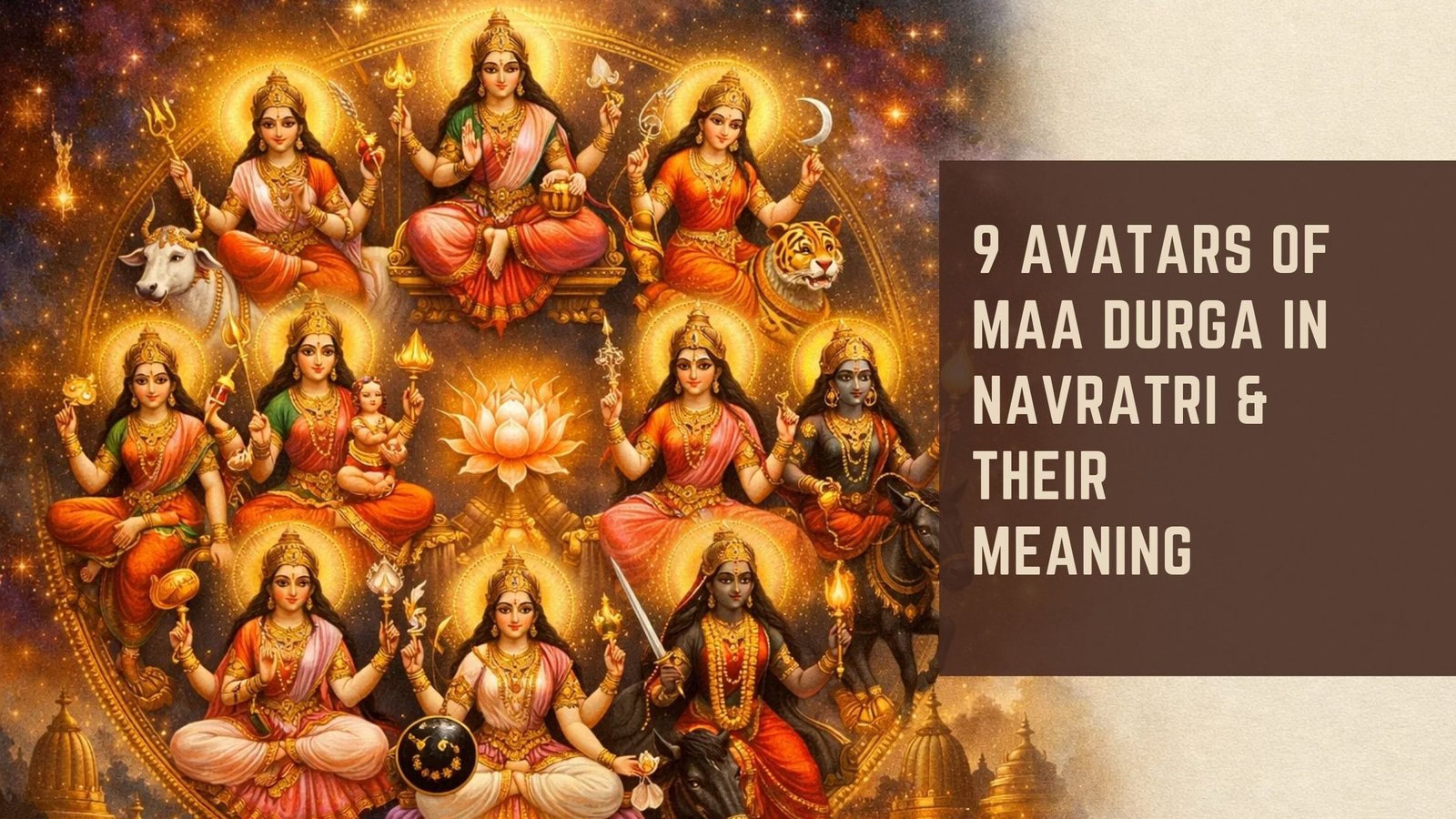
What if the nine nights of Navratri are not just festivals… but a step-by-step journey of inner transformation?
Navratri is more than celebration it is a spiritual roadmap where each day reveals a new form of Maa Durga, guiding you from ignorance to enlightenment, fear to courage, and chaos to peace.
These 9 avatars of Maa Durga in Navratri symbolize the evolution of human consciousness. Each form teaches a unique lesson about life, discipline, strength, and surrender.
As you read, you will not just learn about the goddesses you will feel their energy, understand their meaning, and apply their wisdom in your daily life.
Table of Contents
Key Takeaways
- Navratri represents a 9-step spiritual journey
- Each avatar of Maa Durga symbolizes a human virtue
- Worshipping these forms helps in inner purification and growth
- These avatars represent power, wisdom, discipline, and compassion
- Every day of Navratri carries deep psychological and spiritual meaning
The 9 Avatars of Maa Durga in Navratri
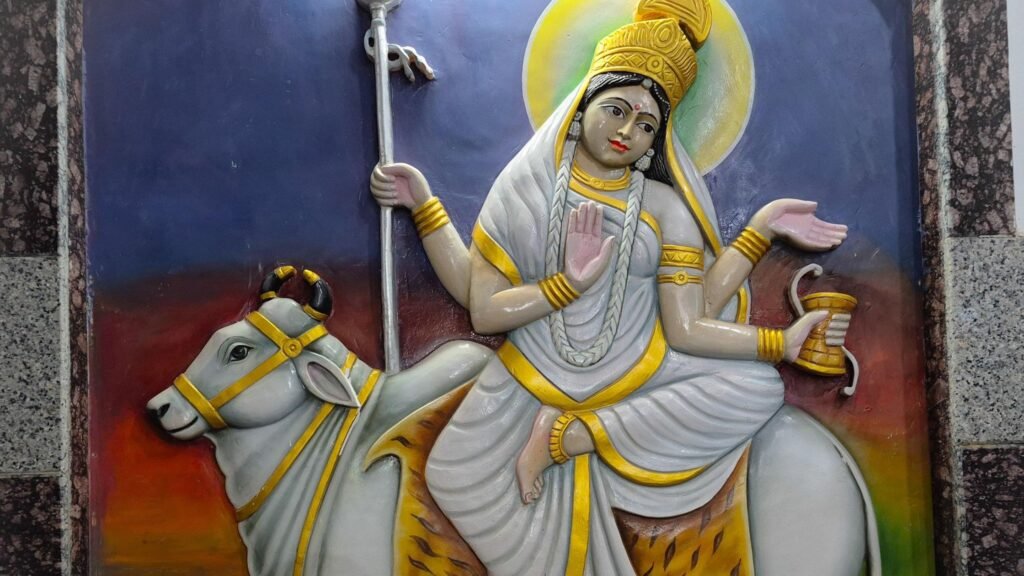
1. Maa Shailputri The Daughter of Mountains
Day: 1st Navratri
Symbol: Stability & Strength
Maa Shailputri represents the beginning—the foundation of spiritual awakening. She rides a bull and holds a trident, symbolizing power and balance.
Spiritual Lesson:
Start your journey with groundedness and determination.
Quote:
“Like a mountain, remain unshaken in your purpose.”
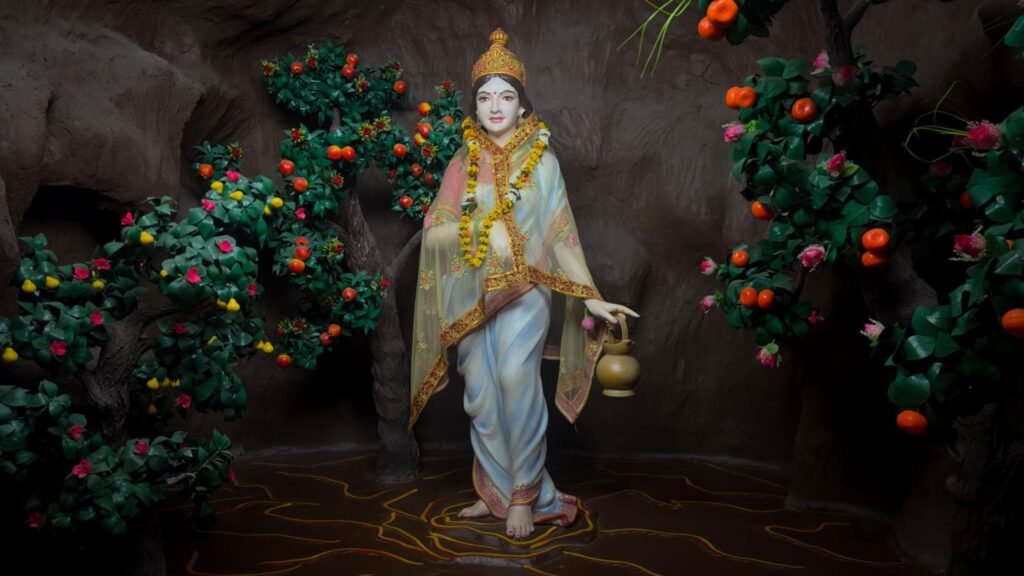
2. Maa Brahmacharini The Goddess of Penance
Day: 2nd Navratri
Symbol: Devotion & Discipline
She walks barefoot with a rosary and water pot, symbolizing austerity and dedication.
Spiritual Lesson:
Success requires patience, discipline, and unwavering faith.
Quote:
“True strength lies in silent perseverance.”
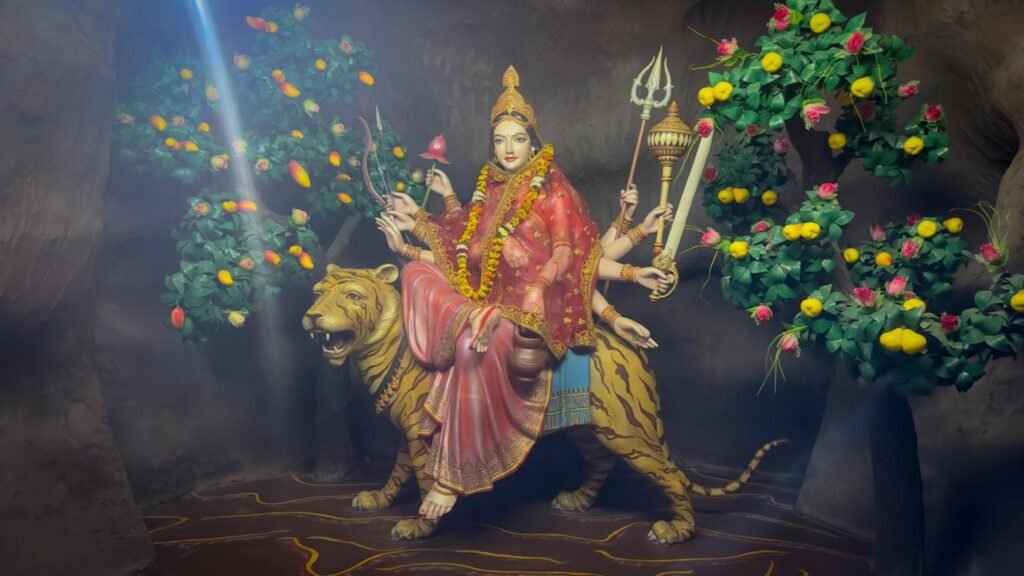
3. Maa Chandraghanta The Warrior Goddess
Day: 3rd Navratri
Symbol: Courage & Protection
With a bell-shaped moon on her forehead, she symbolizes bravery and readiness to fight evil.
Spiritual Lesson:
Face your fears with confidence and courage.
Quote:
“Fear disappears when courage awakens.”
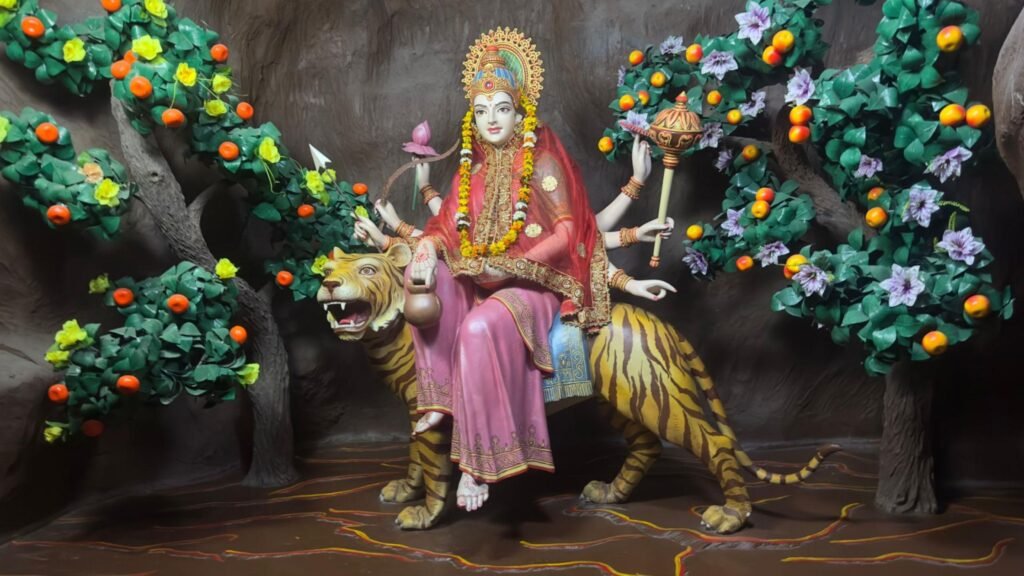
4. Maa Kushmanda The Creator of the Universe
Day: 4th Navratri
Symbol: Creation & Energy
She is believed to have created the universe with her divine smile.
Spiritual Lesson:
You have the power to create your own reality.
Quote:
“Creation begins with a positive thought.”
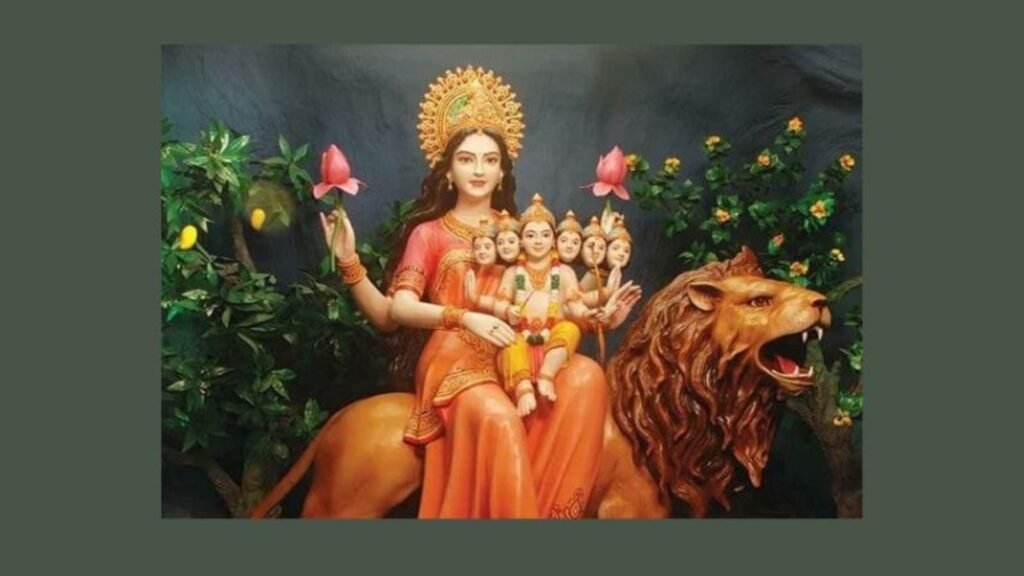
5. Maa Skandamata The Motherly Form
Day: 5th Navratri
Symbol: Motherhood & Compassion
She carries Lord Kartikeya and represents pure love and nurturing energy.
Spiritual Lesson:
Compassion and care are true strengths, not weaknesses.
Quote:
“A loving heart is the strongest force in the universe.”
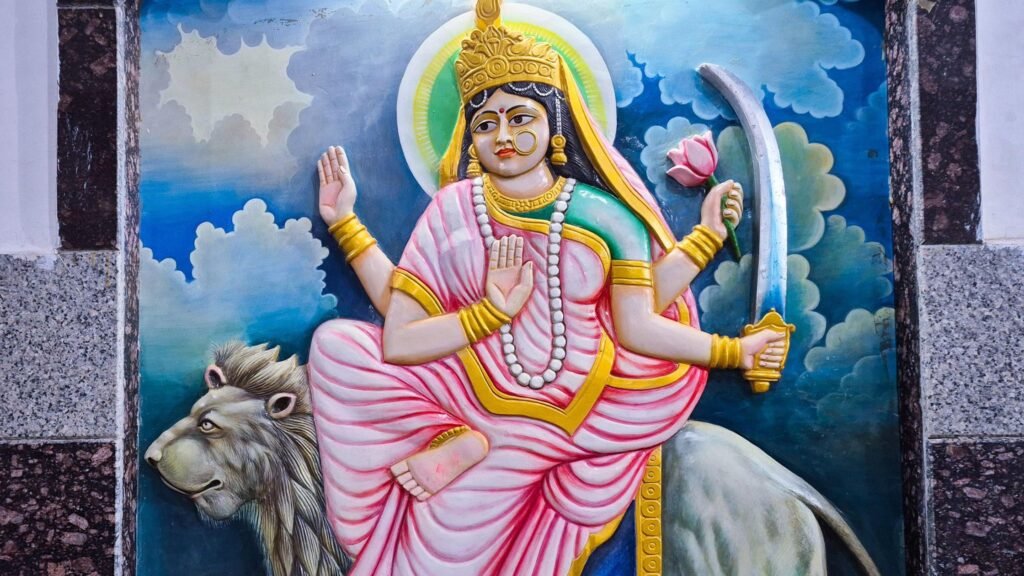
6. Maa Katyayani The Warrior of Justice
Day: 6th Navratri
Symbol: Justice & Power
She represents the fierce form of Durga who destroys evil.
Spiritual Lesson:
Stand up against injustice with fearlessness and truth.
Quote:
“Righteous anger is the voice of justice.”
7. Maa Kalaratri The Dark Destroyer
Day: 7th Navratri
Symbol: Destruction of Fear
She is the most fierce form, removing darkness and negativity.
Spiritual Lesson:
Face your inner darkness to discover true light.
Quote:
“The darkest night leads to the brightest dawn.”
8. Maa Mahagauri The Goddess of Purity
Day: 8th Navratri
Symbol: Purity & Peace
Her white attire symbolizes purification and calmness.
Spiritual Lesson:
Cleanse your mind to achieve peace and clarity.
Quote:
“Purity of heart leads to divine blessings.”
9. Maa Siddhidatri The Giver of Powers
Day: 9th Navratri
Symbol: Fulfillment & Enlightenment
She grants spiritual powers and completes the Navratri journey.
Spiritual Lesson:
True success is inner fulfillment, not external achievement.
Quote:
“Real power comes from spiritual awakening.”
Quote Table Wisdom from Navadurga
| Avatar | Quote | Meaning |
|---|---|---|
| Shailputri | Be grounded like a mountain | Stability |
| Brahmacharini | Discipline is divine power | Dedication |
| Chandraghanta | Courage conquers fear | Bravery |
| Kushmanda | Create your reality | Positivity |
| Skandamata | Love is strength | Compassion |
| Katyayani | Stand for truth | Justice |
| Kalaratri | Darkness reveals light | Transformation |
| Mahagauri | Purity brings peace | Calmness |
| Siddhidatri | Fulfillment is within | Enlightenmen |
Deep Spiritual Meaning of Navratri
Navratri is divided into three phases:
- First 3 Days: Destroy negativity (Kali energy)
- Next 3 Days: Build positivity (Lakshmi energy)
- Last 3 Days: Gain wisdom (Saraswati energy)
This shows that life is a journey of:
- Letting go
- Building strength
- Achieving wisdom
Modern Relevance of 9 Avatars of Maa Durga in Navratri
In today’s fast-paced world, these avatars teach:
- Mental strength (Shailputri)
- Focus (Brahmacharini)
- Confidence (Chandraghanta)
- Creativity (Kushmanda)
- Emotional intelligence (Skandamata)
- Leadership (Katyayani)
- Facing fears (Kalaratri)
- Inner peace (Mahagauri)
- Self-realization (Siddhidatri)
Life Lessons from Maa Durga
- Strength comes from within
- Discipline creates success
- Fear is an illusion
- Love is power
- Truth always wins
- Darkness is temporary
- Peace is achievable
- Enlightenment is the goal
Rituals & Practices During Navratri
- Fasting and detoxification
- Chanting mantras
- Meditation and self-reflection
- Offering prayers and devotion
- Practicing gratitude
Spiritual Significance of the 9 Avatars of Maa Durga in Navratri
The 9 avatars of Maa Durga in Navratri are not just symbolic representations of divine power, but a complete guide to inner awakening and transformation. Each form reflects a stage in human evolution starting from grounding oneself like Maa Shailputri to attaining ultimate enlightenment through Maa Siddhidatri. When devotees understand the deeper meaning behind the 9 avatars of Maa Durga in Navratri, they begin to realize that these forms are mirrors of their own inner strength, discipline, and spiritual potential. This sacred journey teaches us that Navratri is not just about rituals, but about self-discovery and conscious living.
Why Understanding the 9 Avatars of Maa Durga in Navratri Matters Today
In modern life, where stress, fear, and distractions dominate our minds, the teachings of the 9 avatars of Maa Durga in Navratri become more relevant than ever. Maa Brahmacharini teaches discipline in a world full of distractions, Maa Chandraghanta inspires courage in times of fear, and Maa Kalaratri reminds us to face our inner darkness instead of avoiding it. By connecting with the wisdom of the 9 avatars of Maa Durga in Navratri, individuals can build mental resilience, emotional balance, and spiritual clarity. These divine forms provide timeless solutions to modern problems, helping us align our lives with purpose and peace.
How to Apply the Teachings of the 9 Avatars of Maa Durga in Navratri
Applying the lessons of the 9 avatars of Maa Durga in Navratri in daily life can lead to profound transformation. Start by cultivating stability and focus like Maa Shailputri, practice discipline like Maa Brahmacharini, and develop courage like Maa Chandraghanta. As you progress, embrace positivity with Maa Kushmanda, nurture relationships like Maa Skandamata, and stand for truth like Maa Katyayani. Facing fears with Maa Kalaratri and purifying thoughts with Maa Mahagauri ultimately leads to the state of fulfillment represented by Maa Siddhidatri. Living the wisdom of the 9 avatars of Maa Durga in Navratri allows you to transform challenges into opportunities for growth.
The Inner Journey Through the 9 Avatars of Maa Durga in Navratri
The true essence of the 9 avatars of Maa Durga in Navratri lies in the inner journey they represent. It is a path where a person evolves from ignorance to awareness, from fear to courage, and from chaos to peace. Each day of Navratri becomes an opportunity to reflect, heal, and grow spiritually. When you consciously walk this path guided by the teachings of the 9 avatars of Maa Durga in Navratri, you begin to experience a deeper connection with yourself and the universe.
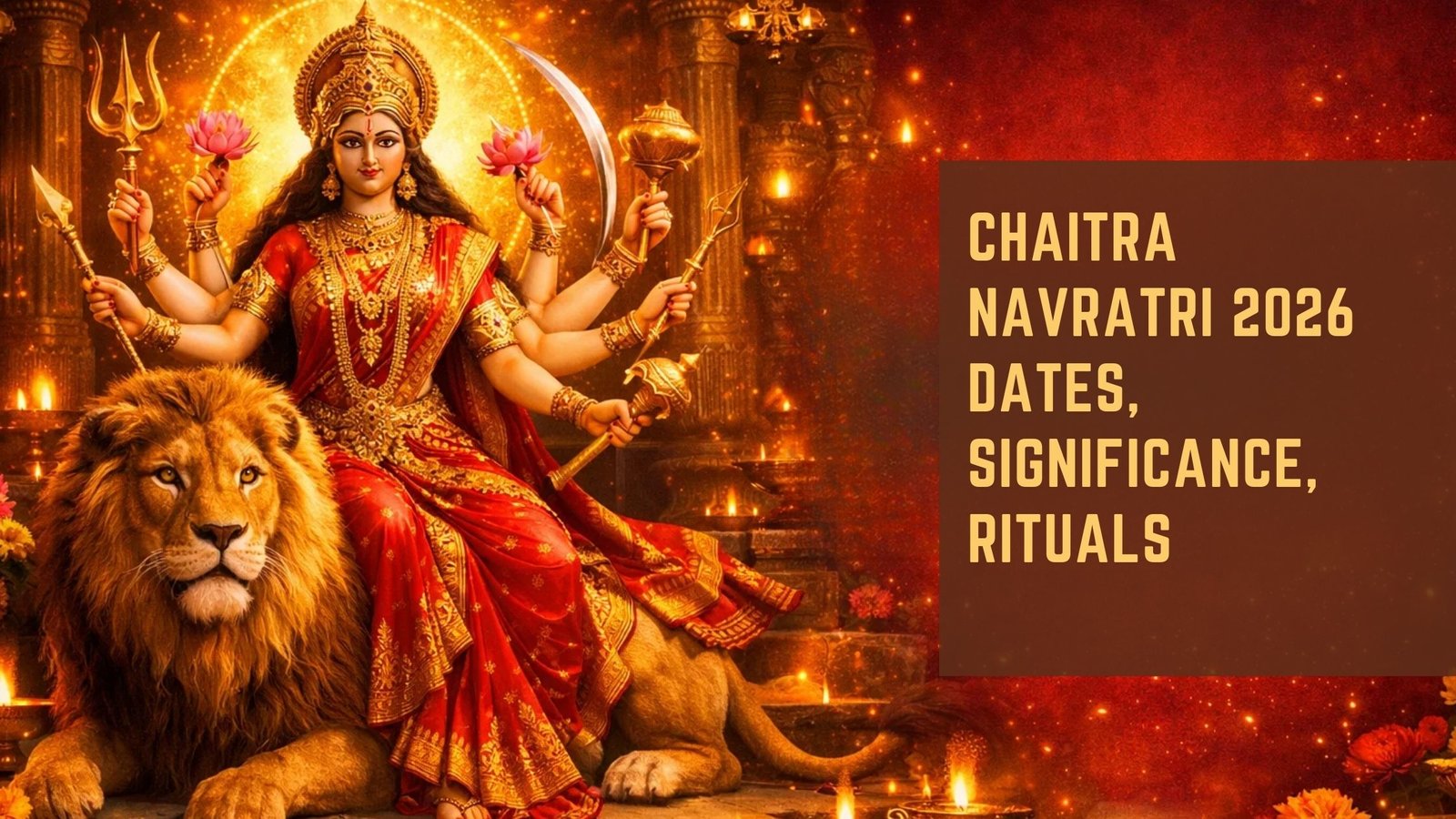
Chaitra Navratri marks the beginning of the Hindu New Year and is a sacred nine-day festival dedicated to worshipping the 9 avatars of Maa Durga, symbolizing renewal, devotion, and spiritual awakening.
FAQs
Why are there 9 Avatars of Maa Durga in Navratri?
They represent the 9 stages of spiritual evolution.
Which avatar is most powerful?
All forms are powerful, but Kalaratri is considered the fiercest.
Can we worship all forms daily?
Yes, but traditionally each day is dedicated to one form.
What is the main purpose of Navratri?
To cleanse the mind, body, and soul.
What do these avatars teach us?
They teach strength, wisdom, courage, and peace.
Conclusion
The 9 avatars of Maa Durga in Navratri are not just divine forms they are mirrors of our inner journey.
Each day teaches us something powerful:
- To stand strong
- To stay disciplined
- To fight fear
- To embrace love
- To seek truth
- To purify the soul
- To attain enlightenment
Navratri reminds us that the divine power we seek outside already exists within us.
So this Navratri, don’t just celebrate transform. Discover the timeless wisdom of the 9 avatars of Maa Durga in Navratri only on thegita.in your trusted source for spiritual growth, divine knowledge, and inner transformation.