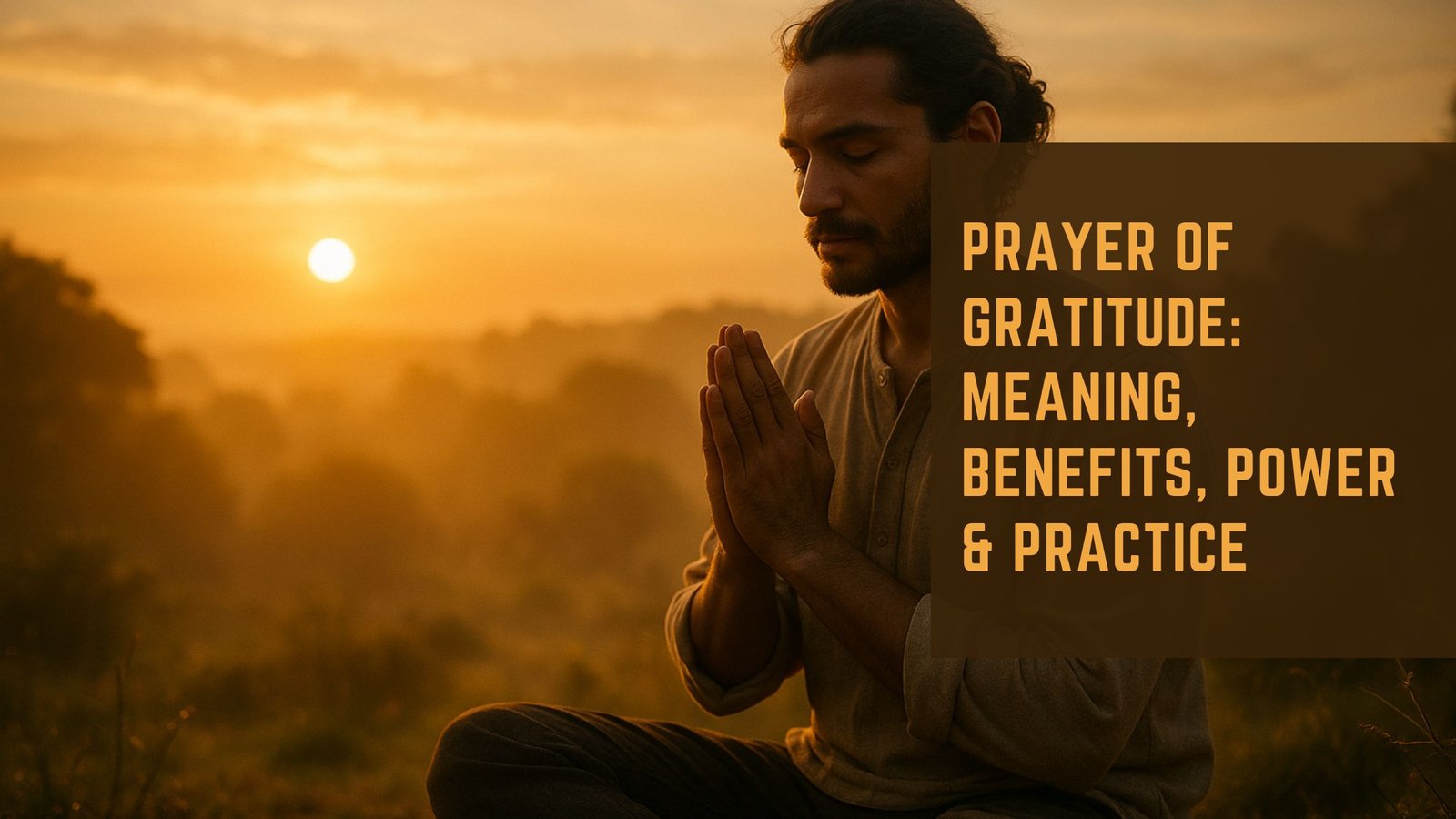
Gratitude is not just a word; it is a living prayer that transforms the ordinary into sacred. A Prayer of Gratitude is one of the purest spiritual practices known to humanity. It does not ask for more; instead, it honors what already is. In a world that constantly pushes us to desire, crave, and chase, gratitude teaches us to pause, breathe, and bow before life with humility.
When gratitude becomes a prayer, it shifts your inner world. Fear dissolves, faith deepens, and the heart becomes lighter. The Prayer of Gratitude is not bound to any one religion—it is a universal spiritual language spoken by the soul.
“Gratitude is the memory of the heart.” — Jean-Baptiste Massieu
Table of Contents
What Is a Prayer of Gratitude?
A Prayer is an intentional offering of thankfulness to the Divine, the Universe, Nature, or simply to life itself. It is the act of consciously acknowledging the blessings—visible and invisible—that sustain our existence.
Unlike prayers that ask for protection, success, or healing, the Prayer speaks from fullness rather than lack. It says, “I am already blessed.”
In spiritual essence, gratitude is not an emotion alone—it is a state of awareness. When you live in gratitude, every breath becomes sacred, every moment meaningful.
“Gratitude turns what we have into enough.” — Aesop
Spiritual Meaning of the Prayer of Gratitude
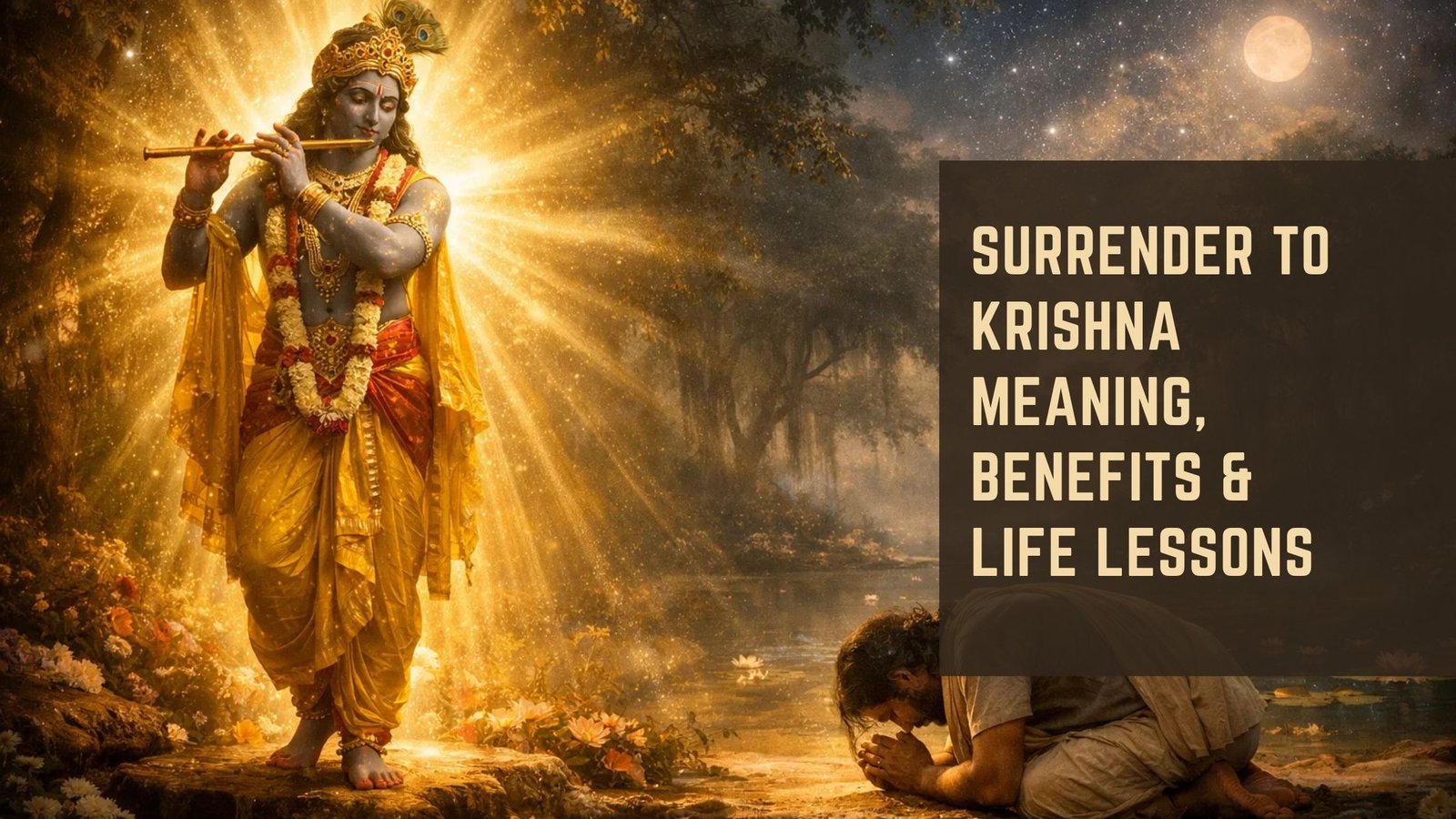
At a deeper level, the Prayer is an act of surrender. It removes the ego’s demand and replaces it with acceptance and trust.
Spiritually, gratitude means:
- Accepting life as it is
- Trusting the divine order
- Recognizing divine presence in daily life
- Honoring both joy and suffering as teachers
In ancient scriptures, sages taught that gratitude aligns the soul with divine flow. When the heart bows in thankfulness, the burden of control begins to fall away.
“Whatever you are grateful for will grow in your life.”
The Prayer is not spoken only in words—it is lived through awareness, patience, humility, and faith.

Why the Prayer of Gratitude Is So Powerful
The power of gratitude lies in its ability to change perception. Life itself does not change instantly—but you change, and that changes everything.
Emotional Power
Gratitude softens anger, dissolves resentment, and quiets anxiety. A thankful heart cannot hold bitterness for long.
Mental Power
Gratitude rewires negative thinking. It trains the mind to focus on abundance rather than lack.
Spiritual Power
Gratitude strengthens faith. It reminds the soul that it is guided, held, and never truly alone.
Physical Impact
Studies show that people who practice gratitude daily experience better sleep, lower stress, and improved immunity. The Prayer heals not only the spirit but the body as well.
“Silent gratitude isn’t much use to anyone.” — Gertrude Stein
Prayer of Gratitude in Different Spiritual Traditions
In Hinduism
Gratitude is deeply rooted in spiritual rituals. Every prayer begins and ends with thankfulness to the Divine, nature, ancestors, and teachers.
“कृतज्ञता ईश्वर की सबसे मधुर पूजा है।”
(Gratitude is the sweetest worship of God.)
In Sikhism
Gratitude is expressed through Naam Simran and acceptance of Hukam (Divine Will).
“तेरा किया मीठा लागे।”
(Your will is sweet to me.)
In Christianity
Gratitude is central to prayer and worship.
“Give thanks in all circumstances.” — Bible, 1 Thessalonians 5:18
In Buddhism
Gratitude arises from mindfulness and compassion, recognizing the interconnectedness of all beings.
Thus, the Prayer of Gratitude is truly universal.
Life Lessons Taught by the Prayer of Gratitude
The Prayer is not only spiritual—it is deeply practical. It teaches life-changing lessons:
1. Contentment
Gratitude teaches us to be at peace with what we have.
2. Humility
It reminds us that not everything is under our control.
3. Patience
Grateful hearts wait with trust rather than anxiety.
4. Resilience
Even in hardship, gratitude reveals hidden strength.
5. Compassion
Those who are thankful naturally become kind.
“When gratitude becomes habit, struggle becomes light.”
Daily Practice of the Prayer of Gratitude
You do not need a temple, incense, or special time to practice the Prayer of Gratitude. It lives in simplicity.
Morning Gratitude Prayer
Start the day by thanking life for breath, light, and opportunity.
Simple example:
“Thank you for this new day. Thank you for my body, my breath, my path.”
Gratitude Before Sleep
Before sleeping, reflect and thank the Divine for all experiences—both easy and difficult.
Gratitude in Silence
Sit quietly for a few minutes and feel thankfulness without words.
Gratitude Journal
Write three things each day you are grateful for. This strengthens awareness.
“Gratitude is a quiet miracle that works without noise.”
A Simple Universal Prayer of Gratitude
Here is a gentle universal Prayer of Gratitude that anyone can use:
“Thank You for this life,
For every breath I take,
For lessons learned through joy and pain,
For strength when I felt weak,
For light even in my darkest hours.
May I remain grateful in all seasons of my life.”
How the Prayer of Gratitude Changes Relationships
Gratitude softens the ego. When you begin to appreciate people instead of complaining about them, relationships heal naturally.
- It increases emotional connection
- It reduces misunderstandings
- It builds mutual respect
- It deepens love and trust
When gratitude enters relationships, expectations decrease and understanding grows.
“Appreciation is the soul of relationships.”
Psychological Benefits of the Prayer of Gratitude
Modern psychology now confirms what sages taught centuries ago. Practicing gratitude regularly:
- Reduces depression
- Controls anxiety
- Improves self-worth
- Enhances emotional balance
- Increases long-term happiness
The Prayer of Gratitude is not escapism; it is emotional strength.
Prayer of Gratitude During Difficult Times
True gratitude is tested not in comfort, but in pain. Saying thank you during loss, illness, failure, or heartbreak does not mean denying suffering—it means trusting that suffering also carries meaning.
In difficult times, the Prayer of Gratitude teaches:
- Acceptance instead of resistance
- Faith instead of fear
- Wisdom instead of complaint
“Gratitude in pain is the highest form of faith.”
Difference Between Gratitude and Positive Thinking
Many people confuse gratitude with forced positivity. The Prayer of Gratitude is not about pretending everything is perfect. It is about recognizing that even imperfection has purpose.
Positive thinking says: Everything will be fine.
Gratitude says: Even this has value.
Gratitude is not denial—it is deep awareness.
Common Mistakes People Make While Practicing Gratitude
- Practicing only when life is good
- Using gratitude as emotional suppression
- Repeating words without feeling
- Expecting instant results
- Turning gratitude into obligation
True gratitude flows naturally from awareness, not pressure.
Scientific View on Gratitude and the Brain
Neuroscience shows that gratitude activates dopamine and serotonin—the brain’s “happiness chemicals.” It strengthens neural pathways related to pleasure, calmness, and emotional regulation.
With regular practice of the Prayer of Gratitude:
- Stress hormones reduce
- Sleep quality improves
- Emotional resilience increases
- Overall life satisfaction rises
Gratitude literally reshapes the brain. The true Essence of prayer lies in heartfelt gratitude, not in words.
Short Quotes on Prayer of Gratitude
- “Gratitude is the soul’s memory of God.”
- “Every thank you is a silent prayer.”
- “A grateful heart is a powerful magnet for miracles.”
- “When you thank life, life thanks you back.”
FAQs
1. What is the best time to do a Prayer of Gratitude?
There is no fixed time. Morning and night are ideal, but gratitude can be practiced anytime.
2. Can I practice the Prayer of Gratitude without religious belief?
Yes. Gratitude is a universal spiritual practice, not tied to any one religion.
3. How long does it take to feel the effects of gratitude?
Some people feel peace immediately, while for others it deepens gradually with daily practice.
4. Is it okay to express gratitude even during suffering?
Yes. Gratitude during suffering builds inner strength and spiritual maturity.
5. Can children practice the Prayer of Gratitude?
Absolutely. Teaching gratitude early builds emotional intelligence and compassion.
Conclusion
The Prayer of Gratitude is not a ritual—it is a way of living. It teaches the heart to bow without fear, to trust without proof, and to love without conditions. When gratitude becomes your nature, life no longer feels like a battle; it begins to feel like a sacred journey.
Through gratitude, the ordinary becomes divine. Through gratitude, suffering gains meaning. Through gratitude, the soul remembers its connection with the infinite.
You may never have everything you want, but with a grateful heart, you will always have everything you need.
“Let gratitude be your prayer, and peace will be your reward.”
Walk the path of wisdom and thankfulness—read more enlightening content on The Gita.